AI News selected for Professionals and Decision Makers
Defense Artificial Intelligence

Reuters: Chinese Military Uses OpenAI, Anthropic Outputs to Train Defense AI

19:14 · August 6, 2026 · RSS APP - Defense Artificial Intelligence
Reuters: Chinese Military Uses OpenAI, Anthropic Outputs to Train Defense AI

On July 31, Reuters reported exclusively that Chinese military- and security-linked research institutions are using data generated by AI models developed by

Summary

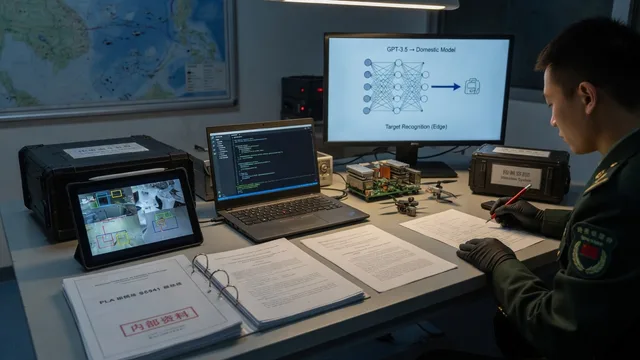
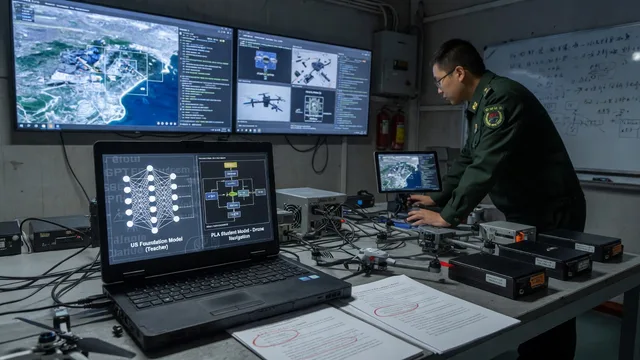
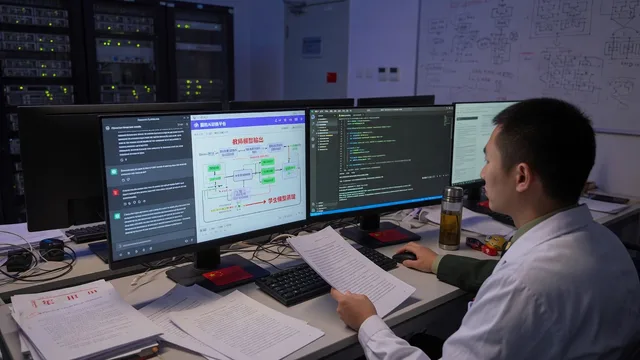
Reuters reports that research institutions tied to China’s military and security apparatus have turned to model distillation to extract capabilities from leading U.S. AI systems. In this established technique, outputs, reasoning traces, and feedback from frontier models such as GPT-4 and Claude are used to train smaller, specialized domestic models. The approach allows Chinese teams to capture complex analytical processes without direct access to the original training infrastructure.

The findings rest on a systematic review of more than eighty Chinese academic papers and patents issued between 2024 and 2026. Over sixty documents were supplied by the Jamestown Foundation; Reuters independently verified roughly two dozen additional works linked to People’s Liberation Army units and related agencies. Researchers affiliated with these organizations describe the goal as transferring not merely answers but the underlying reasoning patterns developed at substantial cost by OpenAI and Anthropic.

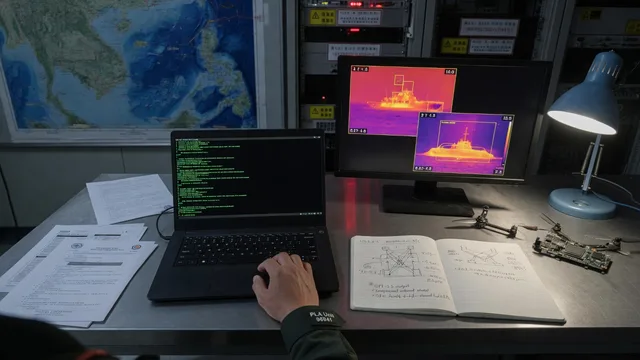
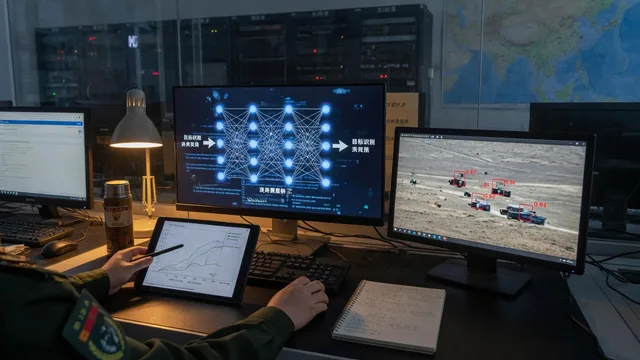
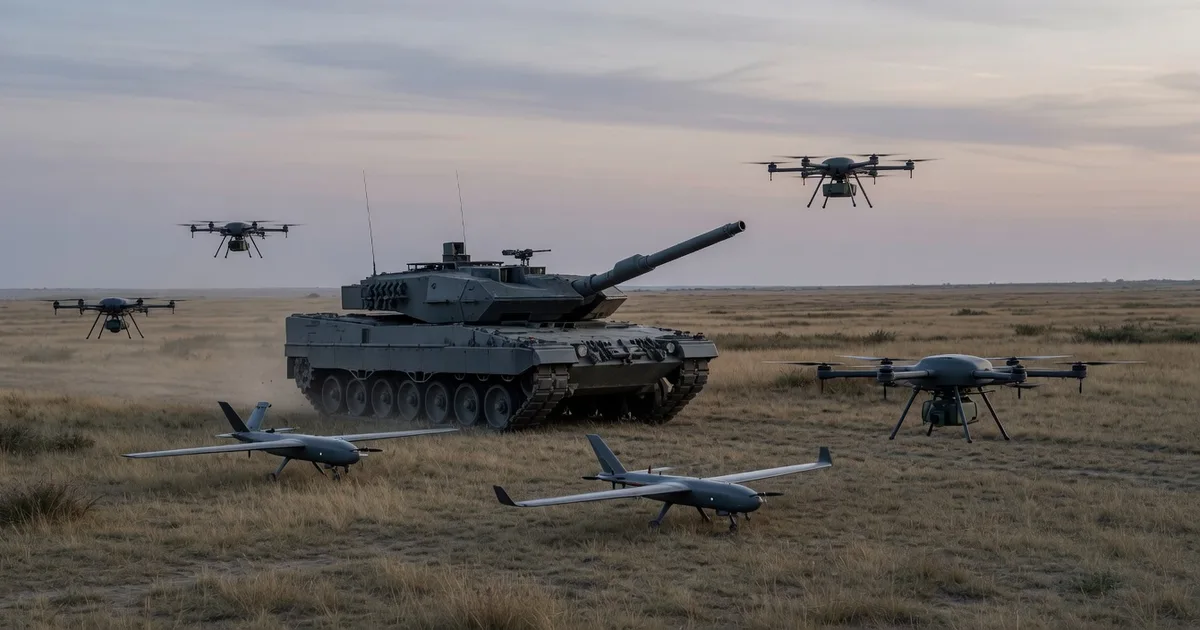
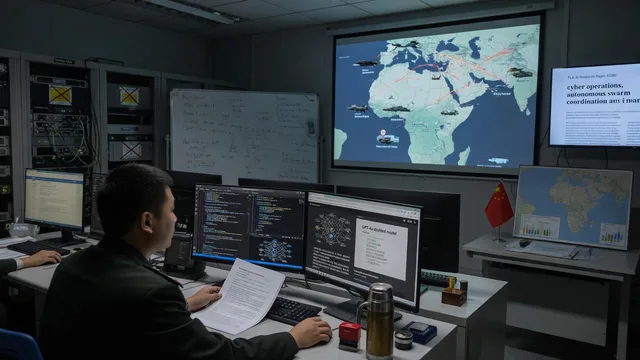
Distilled models have already been applied to code analysis, vulnerability detection and patching, cyberattack monitoring, and large-scale social-media sentiment processing. Additional documented uses include real-time image interpretation, localized tactical decision support, and coordination logic for drone swarms. Because the resulting systems run on modest hardware and require no ongoing connection to U.S. cloud services, they operate within the constraints of current export controls on advanced semiconductors.

U.S. analysts view the practice as an indirect route around chip restrictions and as a potential infringement on proprietary intellectual property. The episode has intensified calls for tighter oversight of API access and open-source model releases, while highlighting the difficulty of preventing knowledge transfer once frontier models are made available for inference.

Why it matters

Directly addresses dual-use AI techniques and military applications relevant to NATO defense professionals, highlighting IP risks, export control circumvention, and implications for Western AI security strategies.
More in this beat
anthropicchinagpt-4knowledge-distillationmilitary-aiopenaipla
Chinese military researchers tap U.S. AI models to train defense systems

18:00 · July 31, 2026

Chinese military researchers tap U.S. AI models to train defense systems

This article is crucial for defense strategists and technologists as it demonstrates how adversaries leverage commercial Western AI models to accelerate their military capabilities through model distillation. It directly impacts NATO threat assessments, export control policies, and doctrine development regarding dual-use AI.

Relevance 85 · Audience 90

US restrictions failed to stop China from using American AI to strengthen its military, as Beijing expands arms sales across Africa

09:30 · August 1, 2026

US restrictions failed to stop China from using American AI to strengthen its military, as Beijing expands arms sales across Africa

This article is highly relevant for defense strategists and technologists as it highlights the limitations of hardware export controls and demonstrates how adversaries leverage open-source Western AI models for military applications. Understanding these dynamics is crucial for NATO and European defense professionals developing AI doctrines and security protocols.

Relevance 75 · Audience 85

Chinese military researchers tap US AI models to train defense systems

14:34 · July 31, 2026

Chinese military researchers tap US AI models to train defense systems

Directly addresses military AI applications, dual-use model distillation, and NATO-relevant export control challenges, providing actionable insights for defense technologists and strategists on adversary capabilities and technology transfer risks.

Relevance 85 · Audience 90

What China’s PLA says it is learning from the Iran war

19:19 · August 17, 2026

What China’s PLA says it is learning from the Iran war

Directly addresses AI-enabled military systems, autonomous platforms, and defense economics relevant to NATO-aligned defense professionals and AI/ML engineers developing dual-use technologies.

Relevance 65 · Audience 85

China Harnesses US AI Models to Advance Military Capabilities: Report

10:22 · August 5, 2026

China Harnesses US AI Models to Advance Military Capabilities: Report

This article highlights critical adversary capabilities and technical methods, specifically model distillation for edge AI, which directly impact NATO and Dutch defense strategies. It provides valuable insights for AI/ML engineers and strategists developing or countering autonomous systems and edge computing in military contexts.

Relevance 85 · Audience 90

Chinese military researchers tap U.S. AI models to train defense systems

00:32 · August 2, 2026

Chinese military researchers tap U.S. AI models to train defense systems

This article is highly relevant for defense strategists, doctrine developers, and AI engineers as it highlights adversary tactics in AI development, specifically the use of model distillation to bypass technological gaps. Understanding these methods is crucial for NATO and Dutch defense professionals to develop countermeasures, shape AI security policies, and update military doctrines.

Relevance 75 · Audience 85

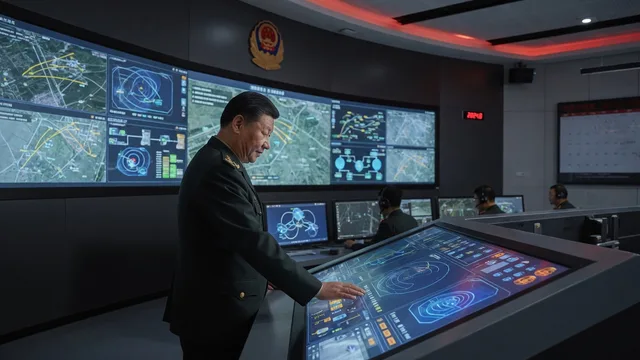
Xi urges Chinese armed forces to ‘strengthen military application’ of AI

08:25 · July 31, 2026

Xi urges Chinese armed forces to ‘strengthen military application’ of AI

Understanding China's push for military AI is critical for Dutch and NATO defense strategists and military officers to assess global threat landscapes. It provides essential context for developing counter-capabilities and shaping European defense AI doctrine.

Relevance 75 · Audience 85

New White House strategy clarifies military tech priorities: undersea, outer space and AI

13:55 · August 20, 2026

New White House strategy clarifies military tech priorities: undersea, outer space and AI

This article is highly relevant for defense strategists and technologists as it outlines the US military's top technology priorities, heavily featuring AI and autonomy. Understanding these priorities is crucial for European and Dutch defense professionals to ensure NATO interoperability, guide local R&D investments, and anticipate future defense market demands.

Relevance 80 · Audience 90

How US military funding propelled China’s robot dogs

18:01 · August 18, 2026

How US military funding propelled China’s robot dogs

Directly addresses military and dual-use quadruped robots, US-China technology competition, and supply-chain vulnerabilities that affect NATO defense planners, AI engineers, and Dutch defense industry stakeholders focused on autonomous systems.

Relevance 82 · Audience 88

Trie Automata for Constrained Decoding over Large Finite Sets

06:00 · August 15, 2026

Trie Automata for Constrained Decoding over Large Finite Sets

Offers actionable, high-technical-depth optimizations for structured LLM outputs that Dutch researchers and advanced practitioners can implement in vLLM/SGLang pipelines or similar serving stacks.

Relevance 55 · Audience 90