China Harnesses US AI Models to Advance Military Capabilities: Report
10:22 · August 5, 2026 · The Defense Post
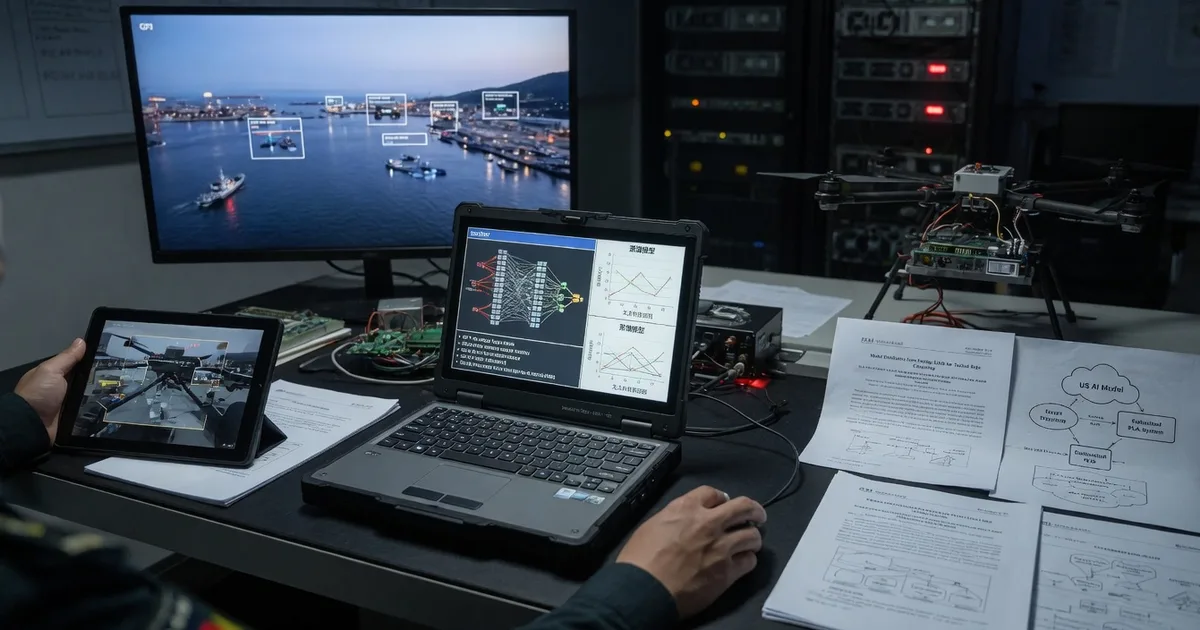
Reuters says Chinese military researchers used US AI models through distillation to develop domestic systems for drones, cyber warfare, and ISR.
Summary
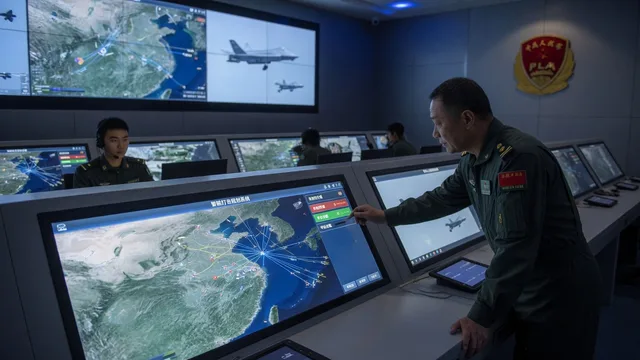
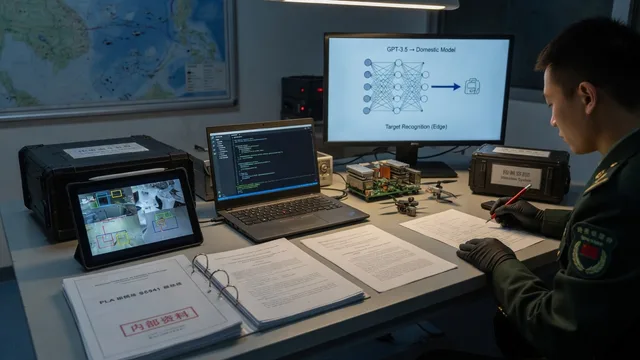
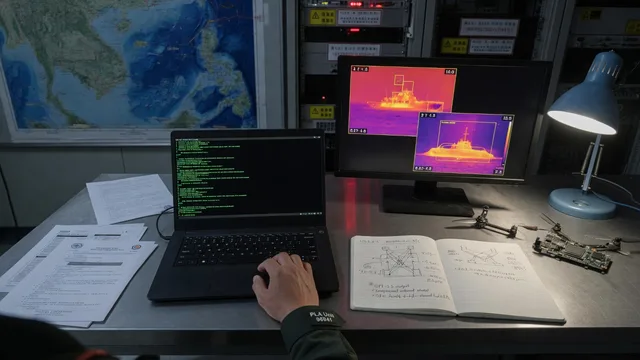
A Reuters investigation has documented how Chinese military researchers are drawing on leading US artificial intelligence models to accelerate development of domestic defense systems. Drawing from more than eighty Chinese academic papers and patents, the report shows that institutions linked to the People’s Liberation Army have applied model distillation to transfer capabilities from large foreign models into smaller, specialized networks suited for operational use.
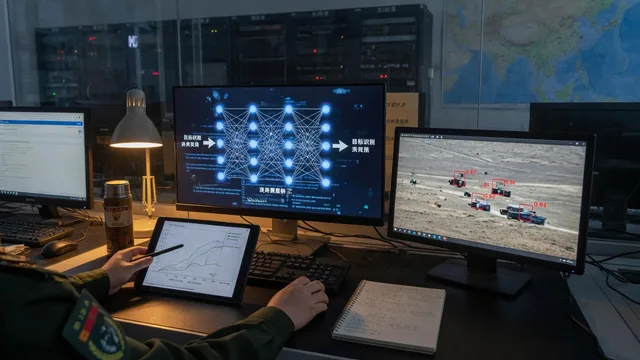
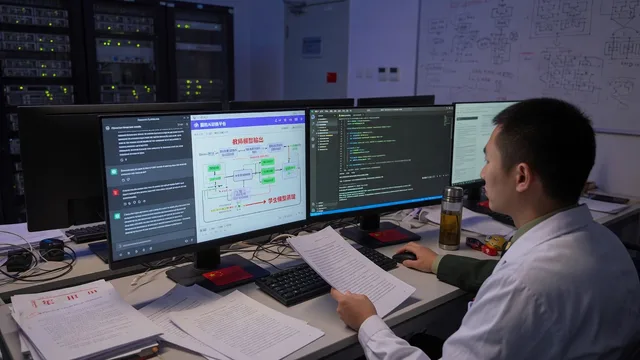
Model distillation works by training compact student models on the output of larger teacher models, rather than on raw data alone. This approach lowers the computational load and memory footprint, allowing the resulting systems to run on platforms with limited onboard processing power. Military-linked teams have used the method to create tools for surveillance, cyber operations, drone control, and tactical decision support.
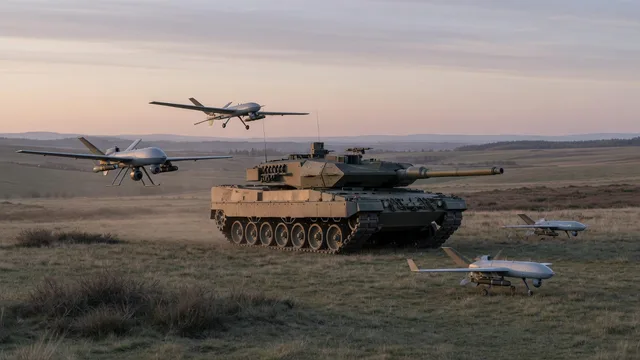
The distilled models are intended for deployment on drones, tactical vehicles, and fixed surveillance installations where size, weight, and power constraints rule out full-scale models. By leveraging US-origin models in this way, researchers aim to field capable AI functions without requiring equivalent domestic foundation models or extensive local compute resources.
Why it matters
This article highlights critical adversary capabilities and technical methods, specifically model distillation for edge AI, which directly impact NATO and Dutch defense strategies. It provides valuable insights for AI/ML engineers and strategists developing or countering autonomous systems and edge computing in military contexts.