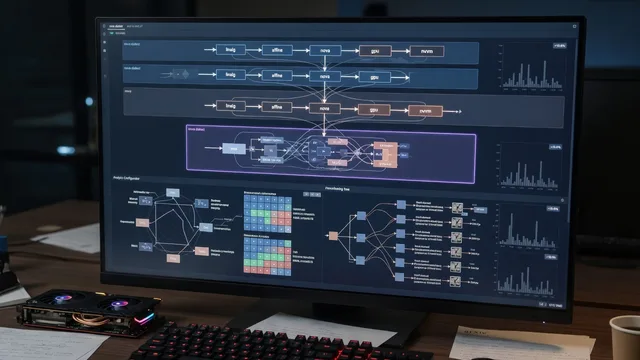
Chinese military researchers tap U.S. AI models to train defense systems
18:00 · July 31, 2026 · RSS APP - Defense Artificial Intelligence
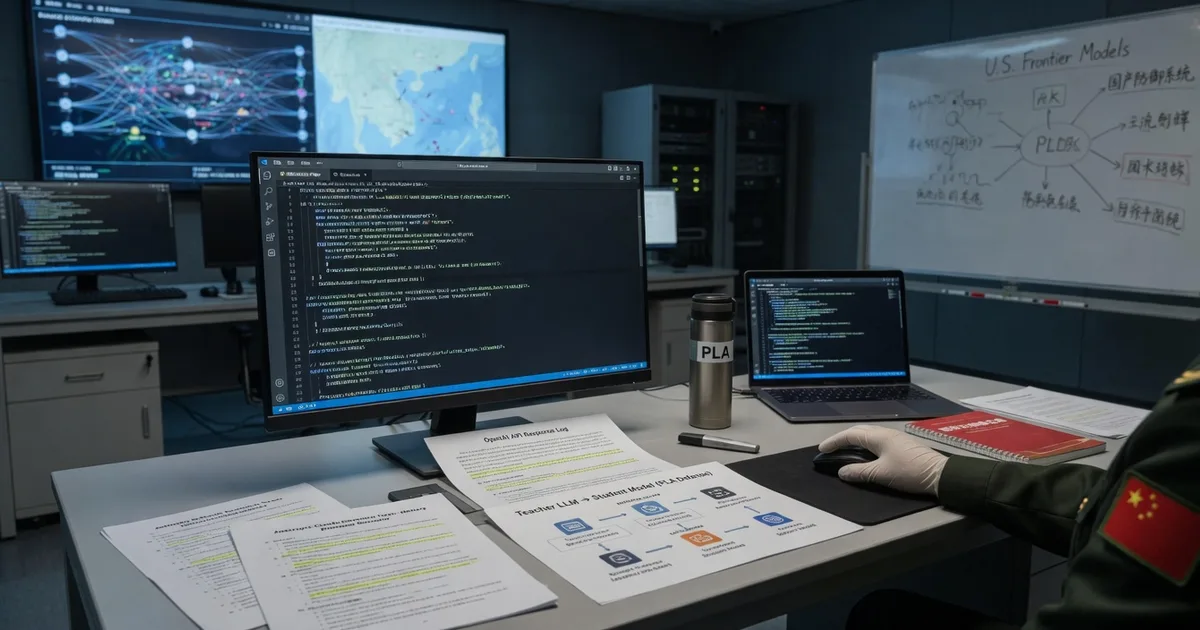
BEIJING >> Chinese military researchers have used outputs from leading U.S. artificial intelligence models developed by OpenAI and Anthropic to train domestic AI systems to advance China’s defense capabilities, according to a review of more than 80 Chinese academic papers and patents.
Summary
Chinese military researchers are drawing on outputs from leading U.S. large language models to develop and refine domestic AI systems intended for defense applications. A review of more than eighty Chinese academic papers and patents documents this practice, showing how responses generated by models from OpenAI and Anthropic are repurposed as training data or supervisory signals for local systems.
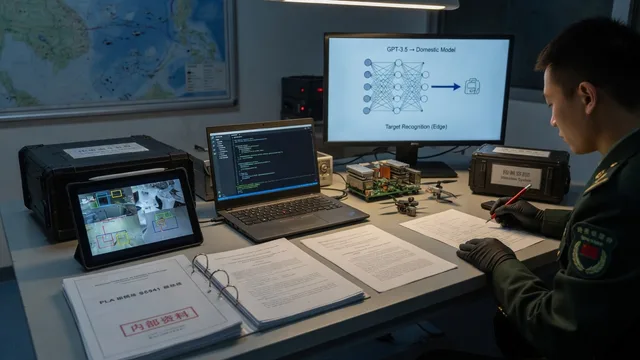
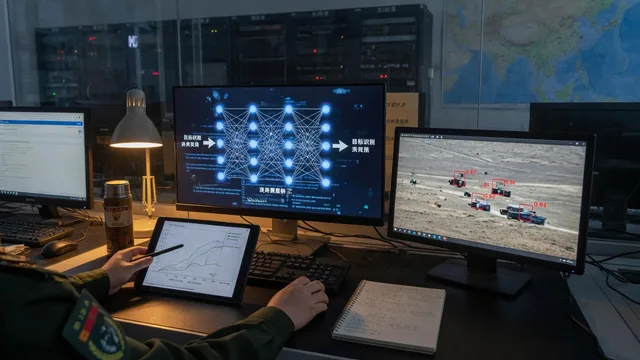
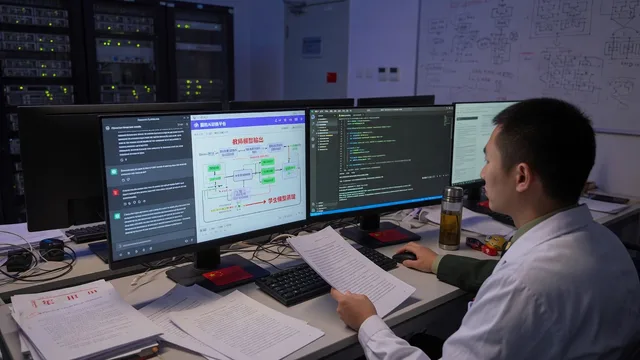
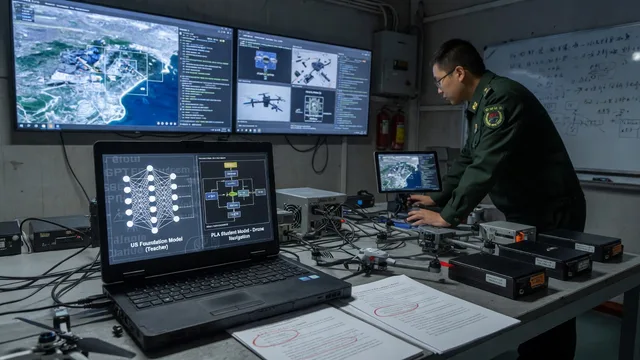
The technique aligns with model-distillation methods, in which a capable “teacher” model supplies labeled examples or reasoning traces that a smaller “student” model can learn from. In the reported cases, researchers appear to query frontier models through available interfaces and then incorporate the resulting text or decisions into training pipelines for military planning, sensor analysis, or autonomous systems.
The findings illustrate the limits of current export controls on dual-use AI. While restrictions can target hardware shipments and model weights, the public availability of high-quality inference outputs creates an indirect channel that is difficult to monitor or block, allowing technical knowledge to propagate even when direct access to the original models is denied.
Why it matters
This article is crucial for defense strategists and technologists as it demonstrates how adversaries leverage commercial Western AI models to accelerate their military capabilities through model distillation. It directly impacts NATO threat assessments, export control policies, and doctrine development regarding dual-use AI.