Chinese military researchers tap US AI models to train defense systems
14:34 · July 31, 2026 · Defense News
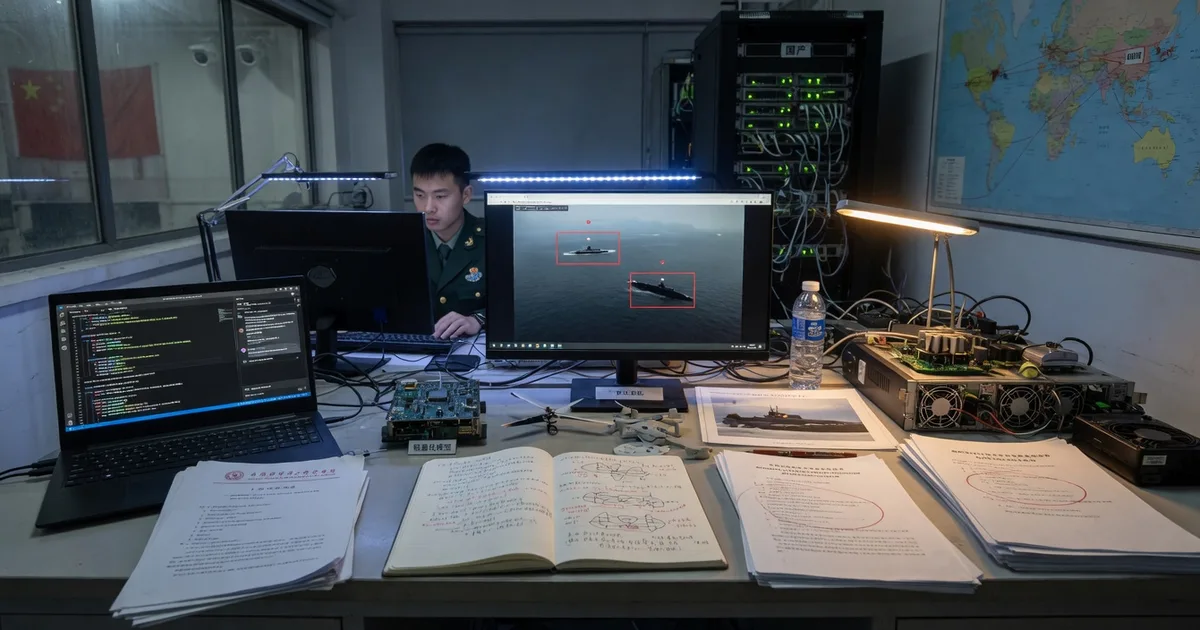
Chinese researchers have reportedly used leading U.S. AI models developed by OpenAI and Anthropic to train AI systems to advance defense capabilities.
Summary
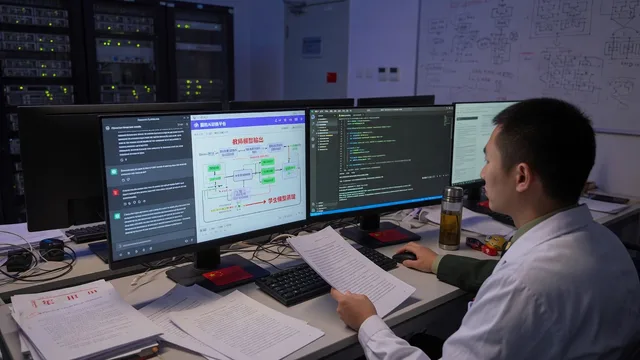
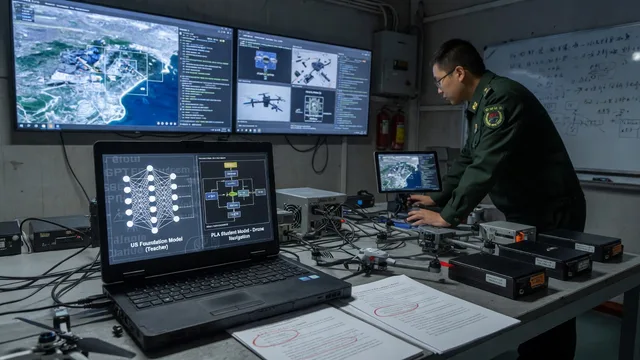
Chinese military researchers have drawn on outputs from leading U.S. models developed by OpenAI and Anthropic to accelerate the creation of domestic AI systems for defense tasks. A Reuters examination of more than eighty Chinese academic papers and patents shows that institutions linked to the People’s Liberation Army routinely apply model distillation, a process in which the responses of a large frontier model are used to train smaller, task-specific networks that can run on constrained hardware without replicating the original training compute.
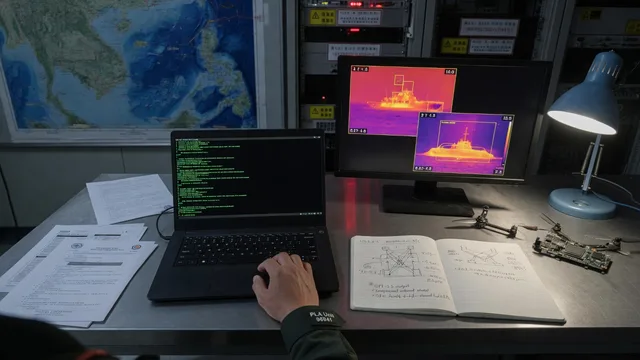
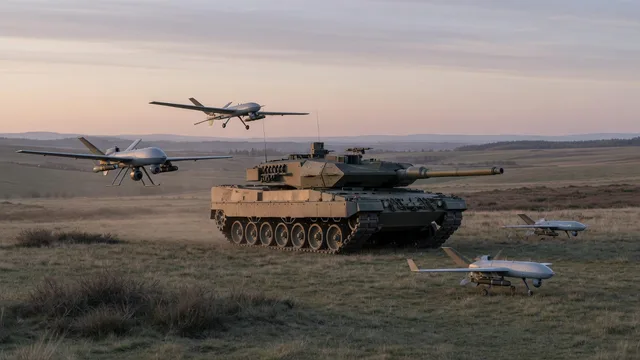
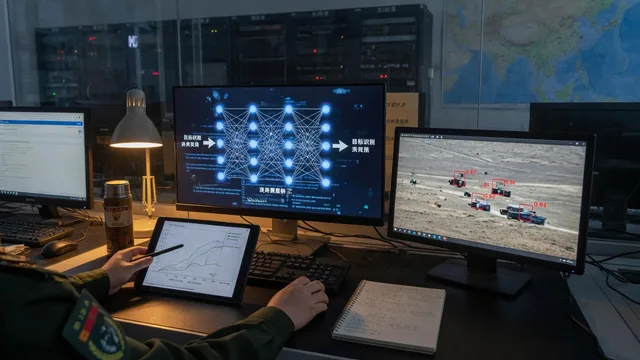
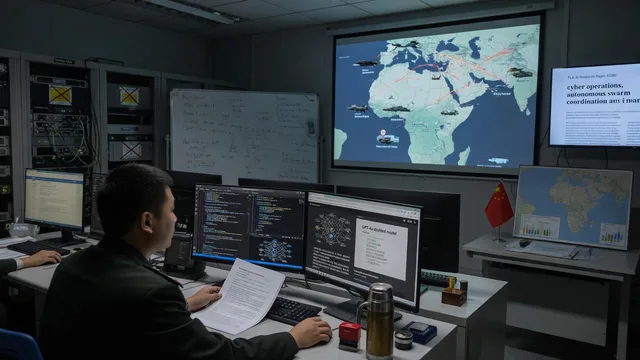
The reviewed documents describe distillation being used to adapt U.S. models for UAV image processing, real-time target recognition, maritime operations involving drones and unmanned submarines, cyber-warfare support, and tactical decision-making. In one case, researchers at PLA Unit 96941 employed GPT-3.5 to summarize sensitive military source code and then trained a domestic model on those summaries so the resulting system could operate entirely inside Chinese networks. Other work at the PLA’s National University of Defense Technology and the Academy of Military Sciences focused on shrinking image-classification and target-recognition models for deployment on drones and shipboard hardware where communications may be intermittent.
The approach addresses constraints imposed by U.S. export controls on advanced chips. Chinese central and local governments have subsidized “model lightweighting” and edge-computing research precisely to enable AI functions on platforms with limited processing capacity. At the same time, the papers note that distilled models inherit only selected capabilities and can lose safety alignments present in the original systems, prompting some Chinese researchers to examine data-free distillation as a potential security vulnerability.
The practice has become a point of friction in U.S.–China discussions on AI governance. U.S. officials argue that unauthorized extraction of model behavior undermines export controls and intellectual property protections, while Chinese authorities have dismissed the claims as attempts at technological containment. Chinese developers, including Moonshot, have separately denied that their recent models were built through distillation of foreign systems.
Why it matters
Directly addresses military AI applications, dual-use model distillation, and NATO-relevant export control challenges, providing actionable insights for defense technologists and strategists on adversary capabilities and technology transfer risks.