AI News selected for Professionals and Decision Makers
Defense Artificial Intelligence

US restrictions failed to stop China from using American AI to strengthen its military, as Beijing expands arms sales across Africa

09:30 · August 1, 2026 · RSS APP - Defense Artificial Intelligence
US restrictions failed to stop China from using American AI to strengthen its military, as Beijing expands arms sales across Africa

Chinese military researchers used artificial intelligence models developed by leading U

Summary

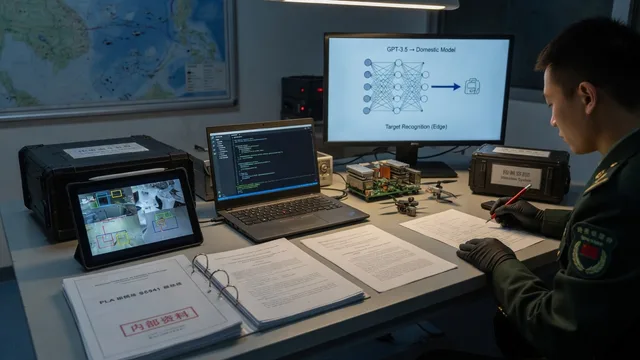
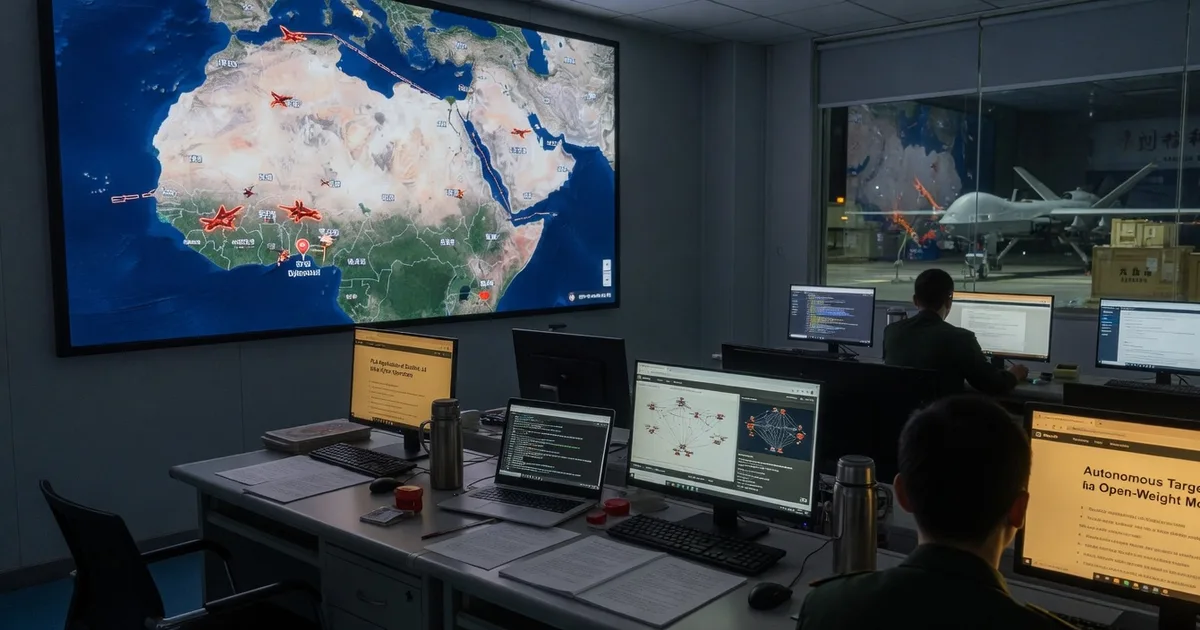
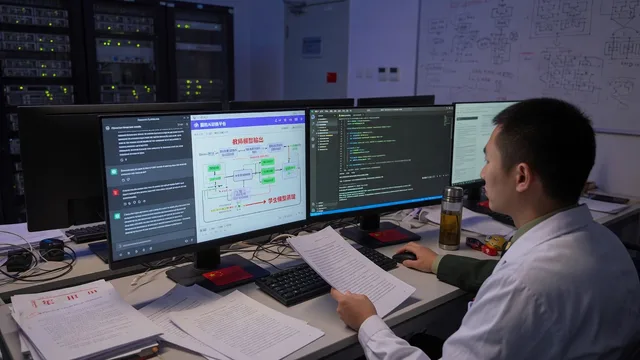
Chinese military researchers affiliated with the People’s Liberation Army have drawn on AI models developed by OpenAI, Meta and Anthropic for defence-related studies, according to a Reuters investigation. Access occurred indirectly through publicly released model weights and distillation methods that transfer reasoning patterns from the original systems, rather than through direct commercial channels. No evidence indicates that the US companies knowingly supplied the PLA.

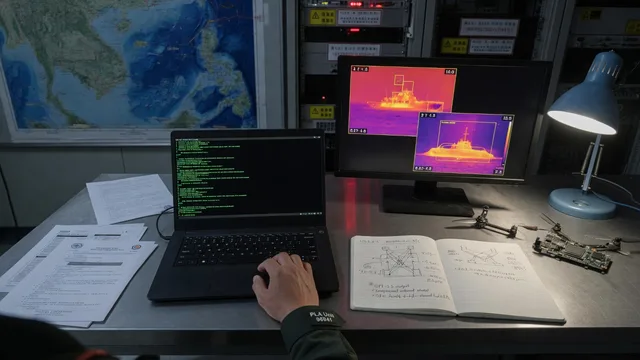
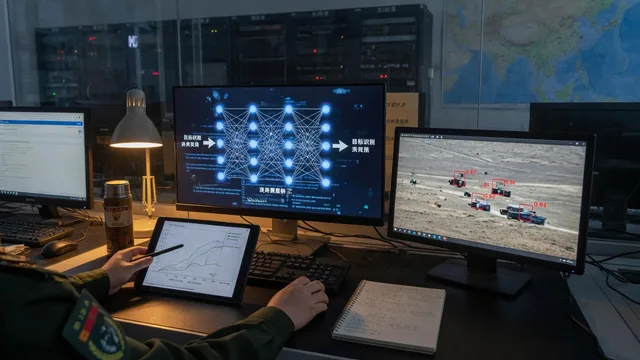
The work documented in more than sixty papers covers surveillance, cyber operations and tactical decision support. US export controls have focused on advanced chips such as Nvidia’s H20 series, yet the findings show that software artefacts and open-weight releases continue to reach Chinese defence laboratories. US officials have highlighted the potential of such models to improve intelligence analysis, battlefield planning and autonomous systems, underscoring the limits of hardware-centric restrictions.

At the same time, China has broadened its military engagement across Africa. It now ranks among the continent’s leading suppliers of aircraft, drones, armoured vehicles and air-defence equipment, with major recipients including Nigeria and Algeria. Training programmes, joint exercises and a permanent base in Djibouti further extend Beijing’s operational reach near key maritime routes.

Why it matters

This article is highly relevant for defense strategists and technologists as it highlights the limitations of hardware export controls and demonstrates how adversaries leverage open-source Western AI models for military applications. Understanding these dynamics is crucial for NATO and European defense professionals developing AI doctrines and security protocols.
More in this beat
anthropicchinaexport-controlsmetamilitary-ainvidiaopenaipla
Chinese military researchers tap U.S. AI models to train defense systems

18:00 · July 31, 2026

Chinese military researchers tap U.S. AI models to train defense systems

This article is crucial for defense strategists and technologists as it demonstrates how adversaries leverage commercial Western AI models to accelerate their military capabilities through model distillation. It directly impacts NATO threat assessments, export control policies, and doctrine development regarding dual-use AI.

Relevance 85 · Audience 90

Chinese military researchers tap US AI models to train defense systems

14:34 · July 31, 2026

Chinese military researchers tap US AI models to train defense systems

Directly addresses military AI applications, dual-use model distillation, and NATO-relevant export control challenges, providing actionable insights for defense technologists and strategists on adversary capabilities and technology transfer risks.

Relevance 85 · Audience 90

How US military funding propelled China’s robot dogs

18:01 · August 18, 2026

How US military funding propelled China’s robot dogs

Directly addresses military and dual-use quadruped robots, US-China technology competition, and supply-chain vulnerabilities that affect NATO defense planners, AI engineers, and Dutch defense industry stakeholders focused on autonomous systems.

Relevance 82 · Audience 88

What China’s PLA says it is learning from the Iran war

19:19 · August 17, 2026

What China’s PLA says it is learning from the Iran war

Directly addresses AI-enabled military systems, autonomous platforms, and defense economics relevant to NATO-aligned defense professionals and AI/ML engineers developing dual-use technologies.

Relevance 65 · Audience 85

Chinese military researchers tap U.S. AI models to train defense systems

00:32 · August 2, 2026

Chinese military researchers tap U.S. AI models to train defense systems

This article is highly relevant for defense strategists, doctrine developers, and AI engineers as it highlights adversary tactics in AI development, specifically the use of model distillation to bypass technological gaps. Understanding these methods is crucial for NATO and Dutch defense professionals to develop countermeasures, shape AI security policies, and update military doctrines.

Relevance 75 · Audience 85

Xi urges Chinese armed forces to ‘strengthen military application’ of AI

08:25 · July 31, 2026

Xi urges Chinese armed forces to ‘strengthen military application’ of AI

Understanding China's push for military AI is critical for Dutch and NATO defense strategists and military officers to assess global threat landscapes. It provides essential context for developing counter-capabilities and shaping European defense AI doctrine.

Relevance 75 · Audience 85

New White House strategy clarifies military tech priorities: undersea, outer space and AI

13:55 · August 20, 2026

New White House strategy clarifies military tech priorities: undersea, outer space and AI

This article is highly relevant for defense strategists and technologists as it outlines the US military's top technology priorities, heavily featuring AI and autonomy. Understanding these priorities is crucial for European and Dutch defense professionals to ensure NATO interoperability, guide local R&D investments, and anticipate future defense market demands.

Relevance 80 · Audience 90

Trie Automata for Constrained Decoding over Large Finite Sets

06:00 · August 15, 2026

Trie Automata for Constrained Decoding over Large Finite Sets

Offers actionable, high-technical-depth optimizations for structured LLM outputs that Dutch researchers and advanced practitioners can implement in vLLM/SGLang pipelines or similar serving stacks.

Relevance 55 · Audience 90