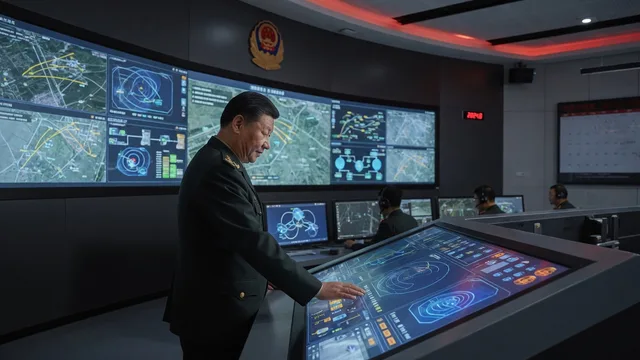
Chinese military researchers tap U.S. AI models to train defense systems
00:32 · August 2, 2026 · The Japan Times
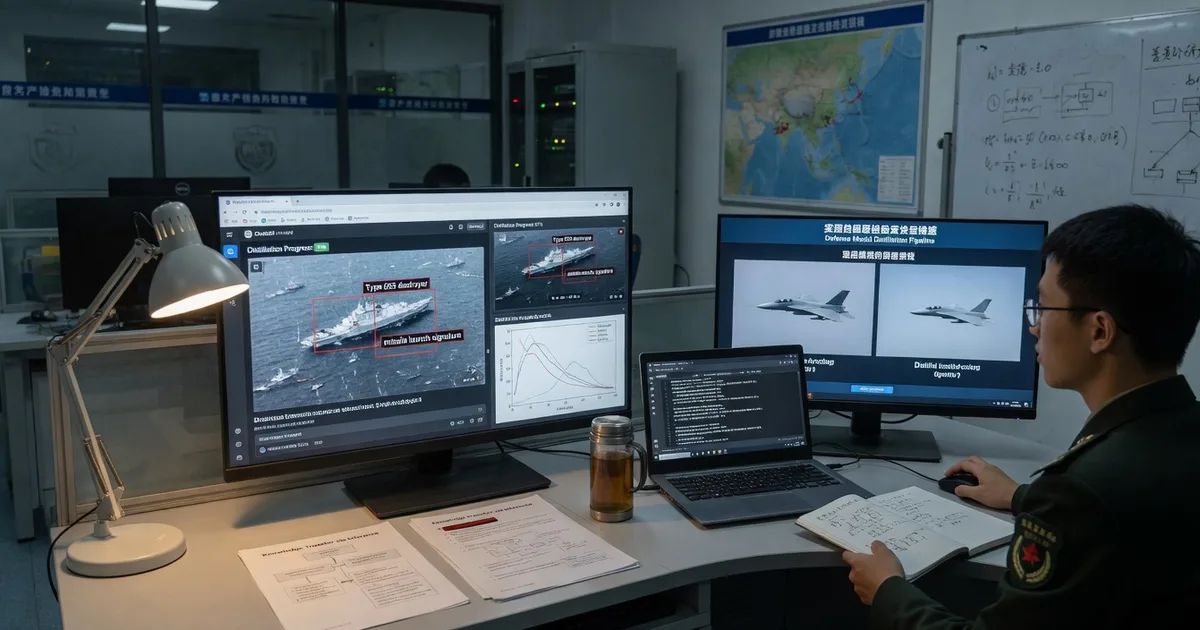
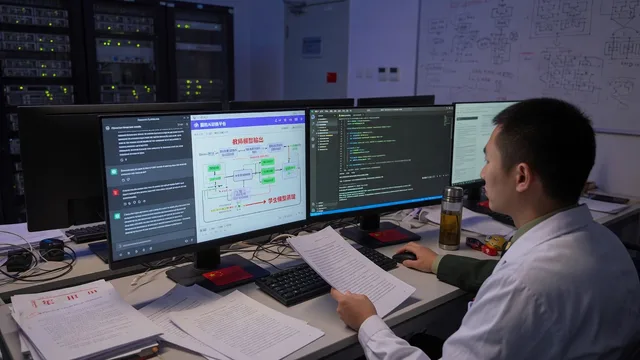
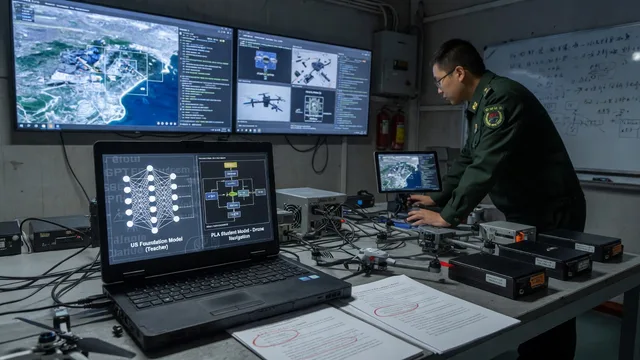
The report shows widespread use of a technique known as “model distillation,” in which outputs from a powerful AI system are used to train smaller, specialized models.
Summary
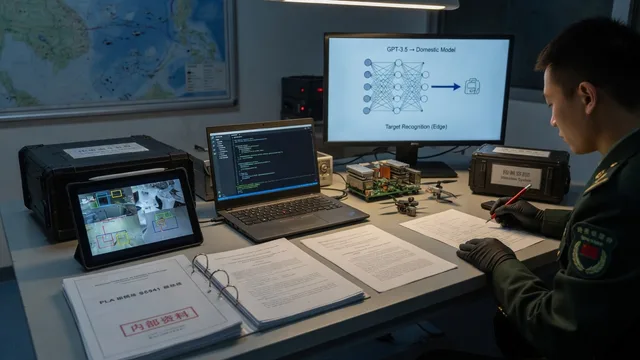
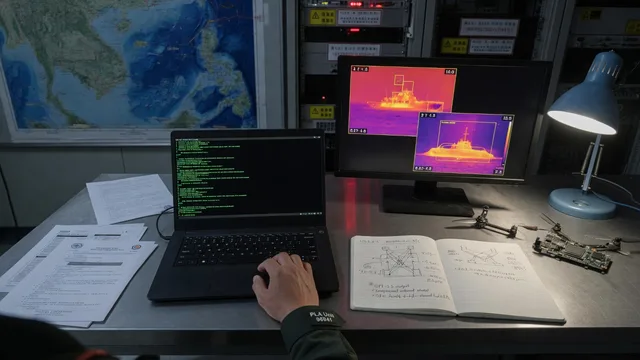
Chinese military researchers are applying model distillation to create specialized defense systems. The technique uses the output of large U.S. AI models as training signals, allowing smaller models to reproduce selected capabilities without requiring direct access to the original weights or training data. In practice, this means defense-related tasks such as target recognition or decision support can be tuned on the behavior of frontier models hosted abroad.
The approach reduces dependence on restricted hardware and circumvents some controls on model distribution. It demonstrates how publicly or commercially accessible inference endpoints can still transfer useful knowledge to restricted environments. Observers note that such indirect transfer complicates efforts to limit the spread of advanced AI methods to military programs.
The reported activity also points to ongoing adjustments in the global competition for AI advantage. Rather than relying solely on indigenous development or overt acquisition, actors can now extract functional performance from existing systems through repeated querying and subsequent training. This pattern adds another layer to discussions on export policy and the long-term controllability of AI capabilities.
Why it matters
This article is highly relevant for defense strategists, doctrine developers, and AI engineers as it highlights adversary tactics in AI development, specifically the use of model distillation to bypass technological gaps. Understanding these methods is crucial for NATO and Dutch defense professionals to develop countermeasures, shape AI security policies, and update military doctrines.