Japan weighs use of Palantir, Anduril AI systems for defense forces
18:57 · August 4, 2026 · RSS APP - Defense Artificial Intelligence
Tokyo would deploy US tech for quick implementation, with homegrown AI eyed for oversight
Summary
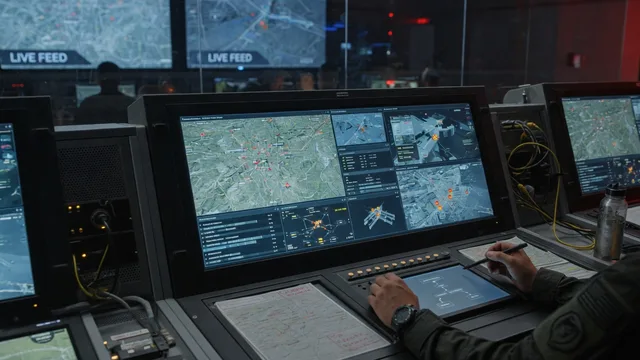
Japan is evaluating the integration of artificial intelligence platforms developed by Palantir and Anduril into the command-and-control infrastructure of its Self-Defense Forces. The systems would process sensor data and operational inputs to shorten the time between detection and decision, allowing units to respond more rapidly in contested environments. Officials see the move as a way to align Japanese procedures more closely with those of U.S. forces during joint operations.
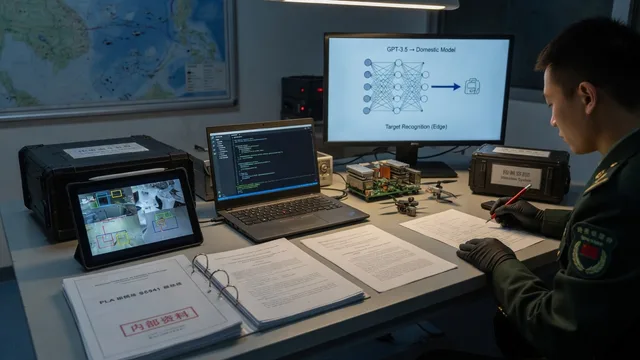
Rather than relying on a single vendor, Tokyo is examining the simultaneous use of several U.S. tools, each handling distinct aspects of situational awareness and planning. A domestically developed oversight layer is under consideration to monitor outputs, reconcile conflicting recommendations, and retain final authority within Japanese command structures. This hybrid arrangement is intended to accelerate deployment while addressing concerns about dependence on foreign software.
The approach reflects a pragmatic trade-off between immediate capability gains and longer-term sovereignty over critical decision-support functions. By leveraging mature U.S. platforms for core analytics and retaining a national system for supervision, Japan aims to improve interoperability without ceding full control of its operational information flows.
Why it matters
This article is relevant for defense strategists and technologists as it highlights the growing reliance of allied nations on major US defense AI contractors for command and control. It provides valuable insights into the strategic balance between rapid deployment of foreign AI technology and the need for domestic oversight, a critical consideration for European and NATO defense frameworks.