First Look: Agon Emerges from Stealth with $30M in Funding
16:10 · July 29, 2026 · RSS APP - Defense Artificial Intelligence
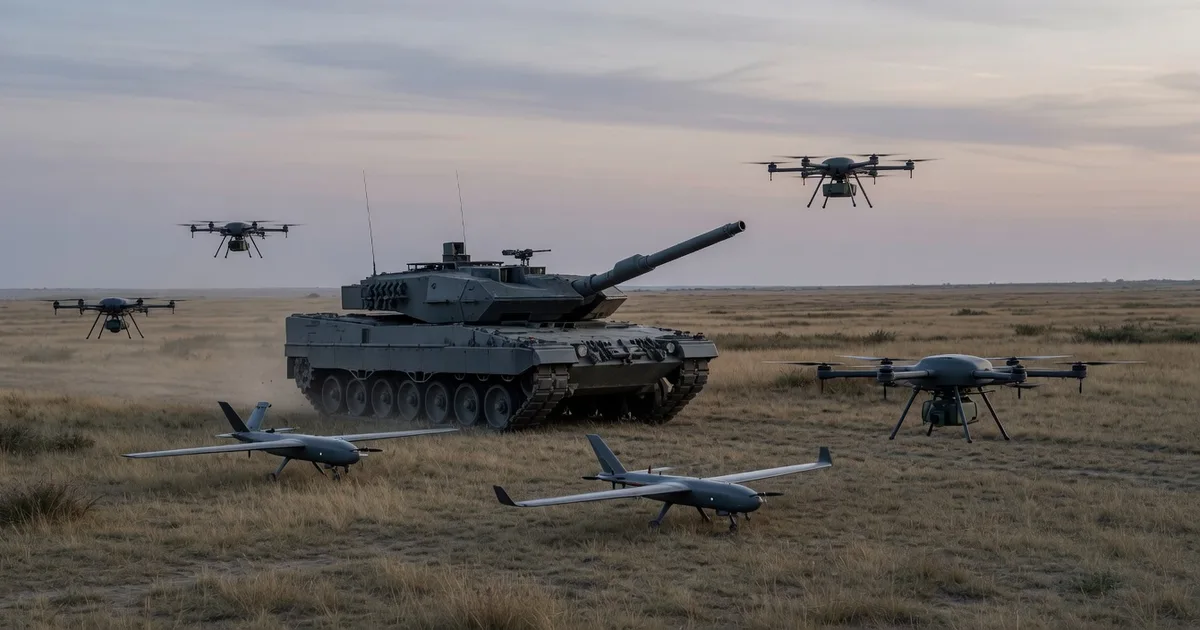
The London- and Berlin-based startup secured $30M across two rounds to train autonomous systems.
Summary
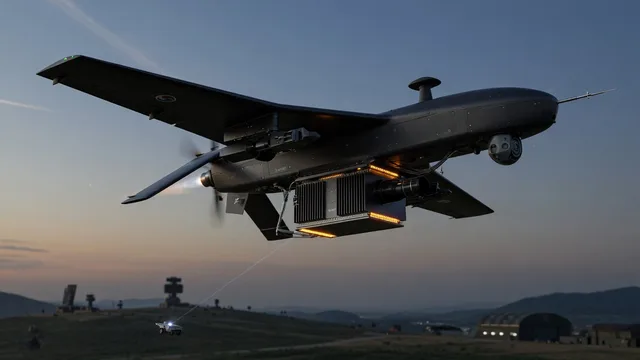
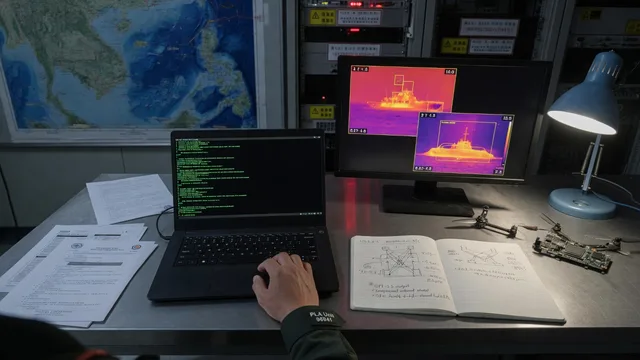
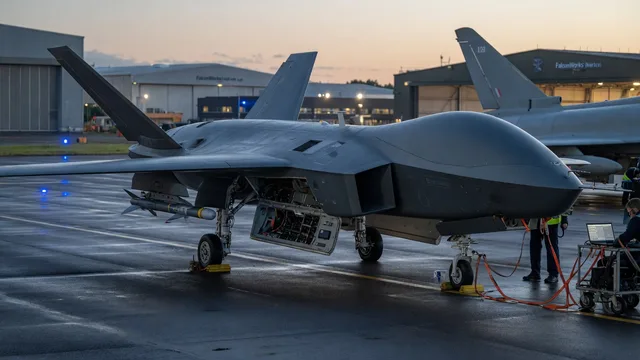
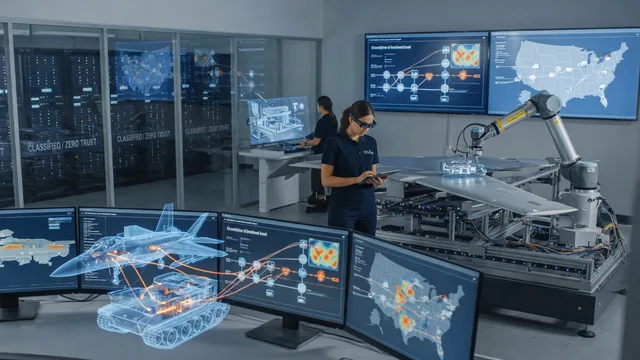
Agon, a London- and Berlin-based startup, emerged from stealth with $30 million in funding to create a synthetic battle arena for training and validating AI-driven autonomous weapon systems. The platform supplies a shared simulation environment that defense developers can use instead of relying solely on costly, slow, and often restricted real-world trials. It draws adaptive virtual adversaries from live conflict intelligence so that training scenarios remain current with evolving threats such as drone swarms or loitering munitions.
The company was founded earlier this year by Tristam Constant, previously at Applied Intuition, Anduril and the British Army, and Junaid Hussain, co-founder of Cambridge Aerospace. Its early team includes engineers from Anduril, Palantir, Helsing and gaming-engine firms. Backers include Lakestar, 201 Ventures, D3, Lux and XYZ across a $7 million pre-seed and a $23 million seed round. Constant describes the shift from platform-centric to algorithm-centric warfare, noting that autonomy stacks must adapt at machine speed and that Europe currently lacks suitable ranges for large-scale swarming tests.
Agon positions its arena as horizontal infrastructure that multiple drone and autonomy vendors can build upon. The system updates opposing forces continuously, enabling red-team exercises at a scale and fidelity impractical in physical environments. While the long-term goal is multi-domain coverage, initial work focuses on air-defense scenarios. The simulation is explicitly physics-grounded, a requirement the founders contrast with game engines; chairman David Helgason, founder of Unity Technologies, supplies expertise in efficient compute usage without sacrificing physical accuracy.
Design partnerships are already under way to refine the product before wider deployment. Constant argues that such a platform-agnostic layer will become essential for European deterrence, allowing faster iteration than battlefield data collection alone can support.
Why it matters
Directly addresses dual-use AI simulation and validation for autonomous systems, aligning with NATO/EU defense priorities and European market growth in defense AI infrastructure.