DIA’s artificial intelligence chief envisions ‘agent-to-agents’ interactions that support military operations
00:27 · August 14, 2026 · Defense Scoop
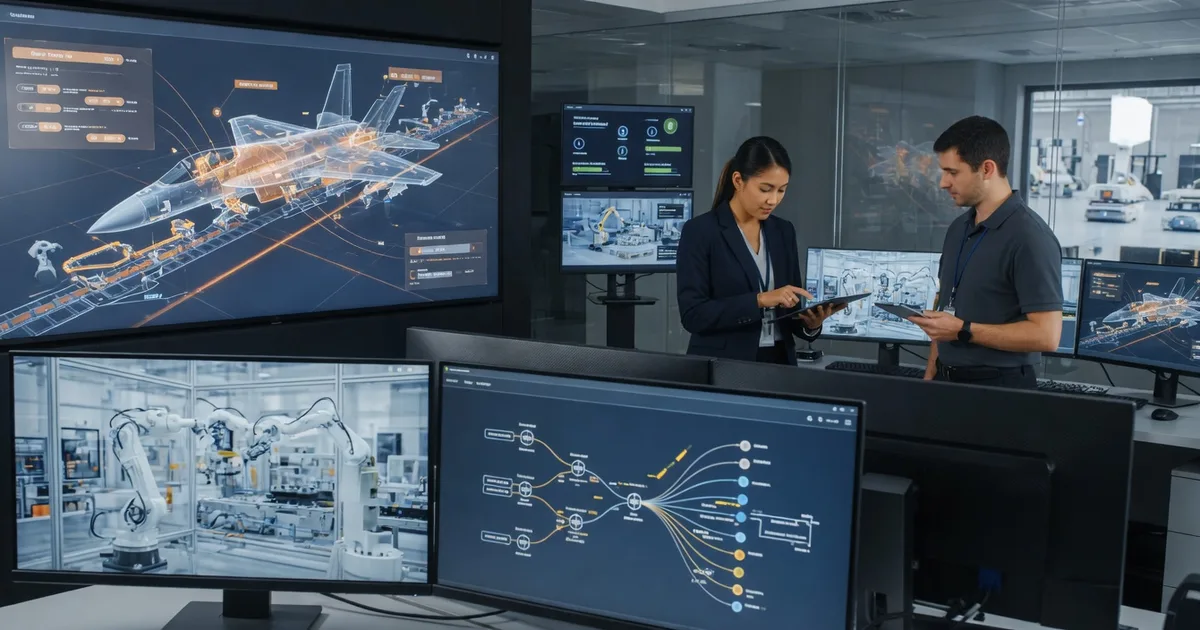
"That's where this is going,” Maj. Gen. Robert Kinney said.
Summary
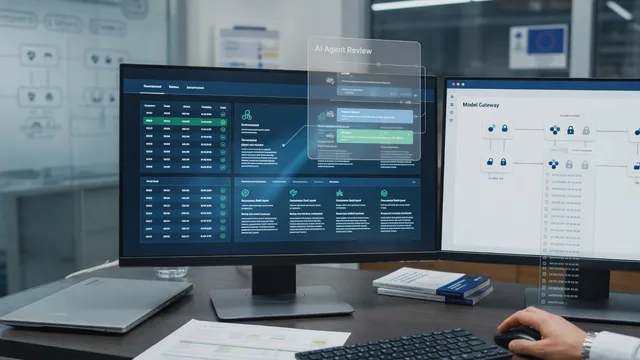
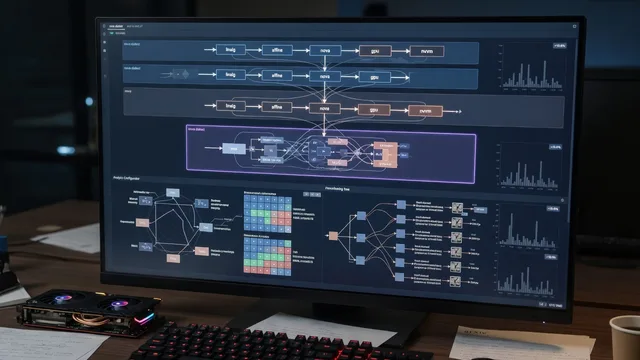
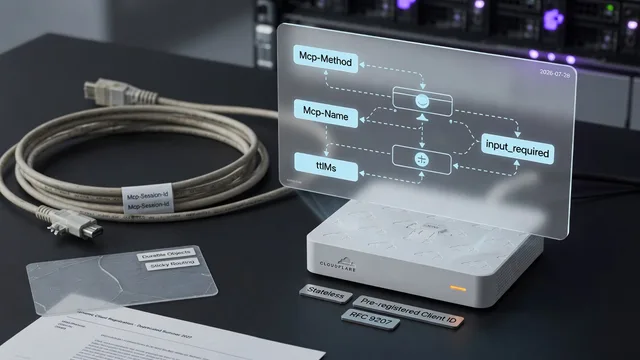
The Defense Intelligence Agency’s chief AI officer, Maj. Gen. Robert Kinney, outlined plans to move beyond isolated AI tools toward coordinated agent-to-agent workflows that span combatant commands. DIA is currently running a 90-day sprint to stand up an enterprise platform service that supplies the underlying data access and connectivity required for such interactions. A parallel deliverable, the model context protocol, is intended to give AI components a standardized way to reach intelligence data and external systems without bespoke integrations.
Kinney described the next stage as the construction of individual agents that can then communicate with one another. In a combatant-command setting, a collection-management agent could exchange information with operations and fires agents in the J-3 directorate, contested-logistics agents in the J-4, and planning or cyber agents in the J-5 and J-6. The goal is to let these specialized agents coordinate logistics, operational decisions, and planning tasks while the underlying platform handles discovery and context exchange.
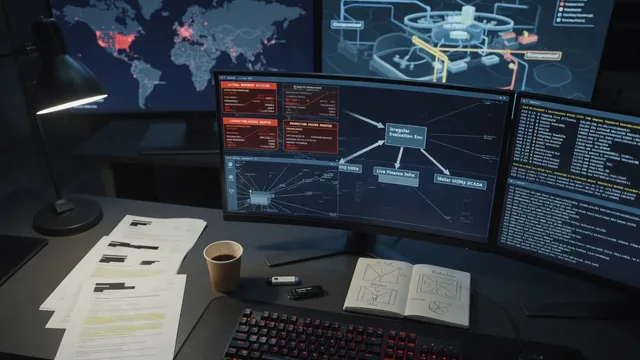
Officials are simultaneously addressing the compliance, security, and zero-trust requirements that accompany multi-agent systems. Kinney noted that irreversible actions—such as fires—will continue to require a human in the loop, whereas reversible or lower-risk mission areas may allow a human-on-the-loop posture. The agency is also examining tradecraft standards that define acceptable operating parameters so that reliance on agent interactions remains bounded and auditable.
Over a two-to-five-year horizon, the combination of the enterprise platform, the model context protocol, and maturing agent-to-agent capabilities is expected to shape how the intelligence community integrates AI into joint operations.
Why it matters
This article is highly relevant for defense strategists and technologists as it outlines the US Defense Intelligence Agency's roadmap for multi-agent AI systems in combatant commands. Understanding these developments is crucial for Dutch and NATO defense professionals to ensure interoperability, align military AI doctrines, and develop compliant, ethical AI guardrails.