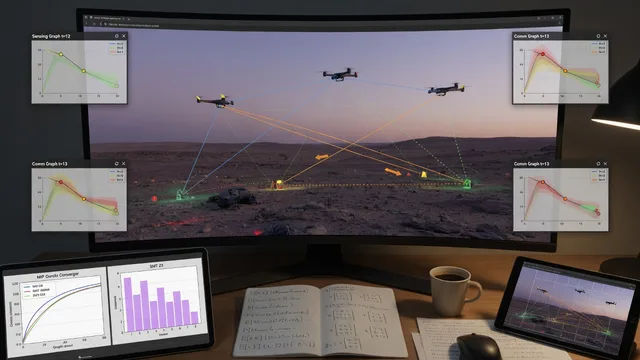
US tech helps unmanned surface vessel spot target autonomously
03:52 · August 3, 2026 · RSS APP - Military Autonomous Systems
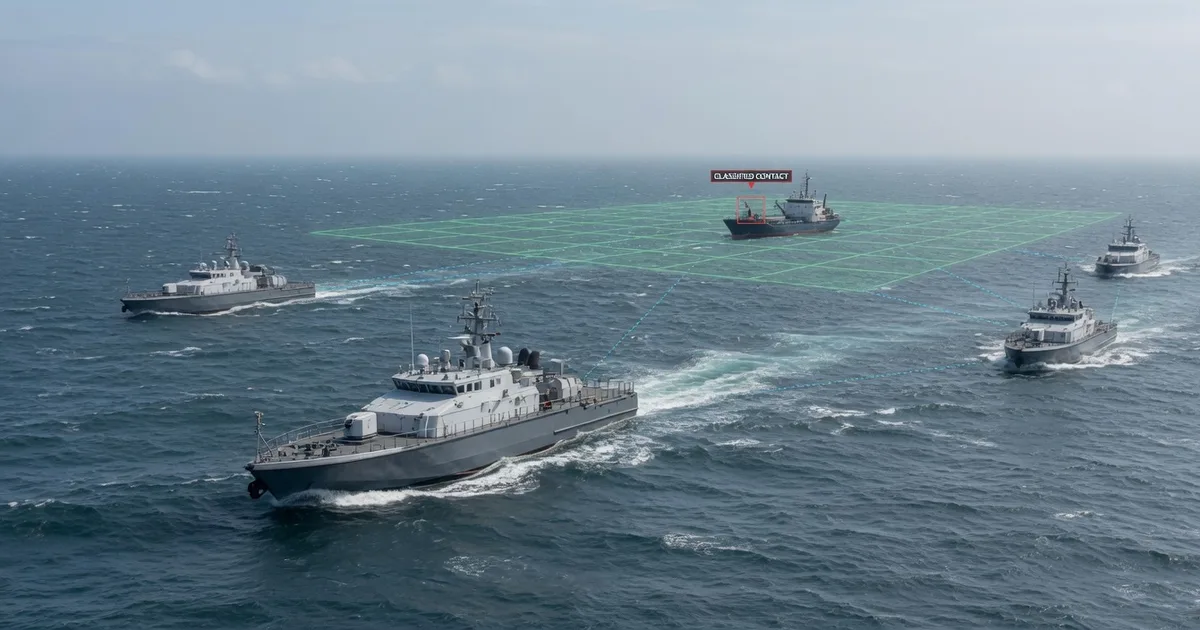
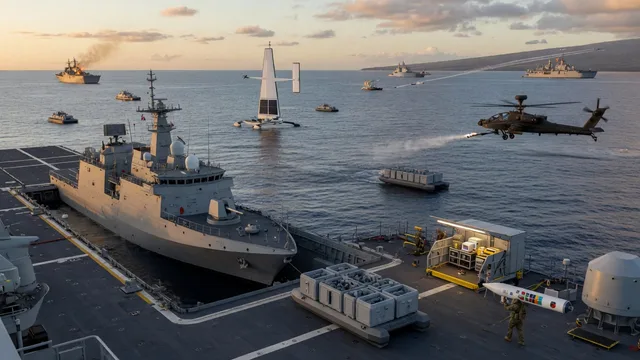
Hivemind autonomously planned mission waypoints, searched a designated maritime area, identified a target vessel of interest, and coordinated unmanned surface vessels to escort the vessel out of the designated search zone.
Summary
The deployment of Hivemind, a US-developed AI system, has shown how autonomous control software can manage the full mission cycle of unmanned surface vessels without continuous human oversight. In the reported trial the software generated its own sequence of waypoints, directed a vessel to conduct a structured search pattern across a defined maritime area, and performed real-time detection and classification of a target vessel once it entered the sensor field.
After confirming the contact, Hivemind coordinated additional USVs already operating in the vicinity. The system issued tasking that positioned the supporting vessels to intercept the target and maintain an escort formation until it had been moved out of the designated zone. The behavior illustrates a closed-loop autonomy stack that combines route planning, sensor fusion, target recognition, and multi-agent task allocation within a single software framework.
The demonstration aligns with ongoing efforts to apply AI swarming techniques to maritime defense, where surface vessels must operate over large areas with limited communications bandwidth and variable sea states. By embedding decision logic onboard, the approach reduces reliance on remote operators while still allowing higher-level mission parameters to be set before launch.
Why it matters
This demonstrates advanced autonomous maritime capabilities and multi-agent coordination, which are critical for modern naval operations and NATO defense strategies. It provides valuable insights for defense technologists and military strategists in the Netherlands looking to integrate AI into maritime security and unmanned naval systems.