Confronting the Barriers to AI Diffusion in the U.S. Military
14:00 · August 10, 2026 · RSS APP - Military Autonomous Systems
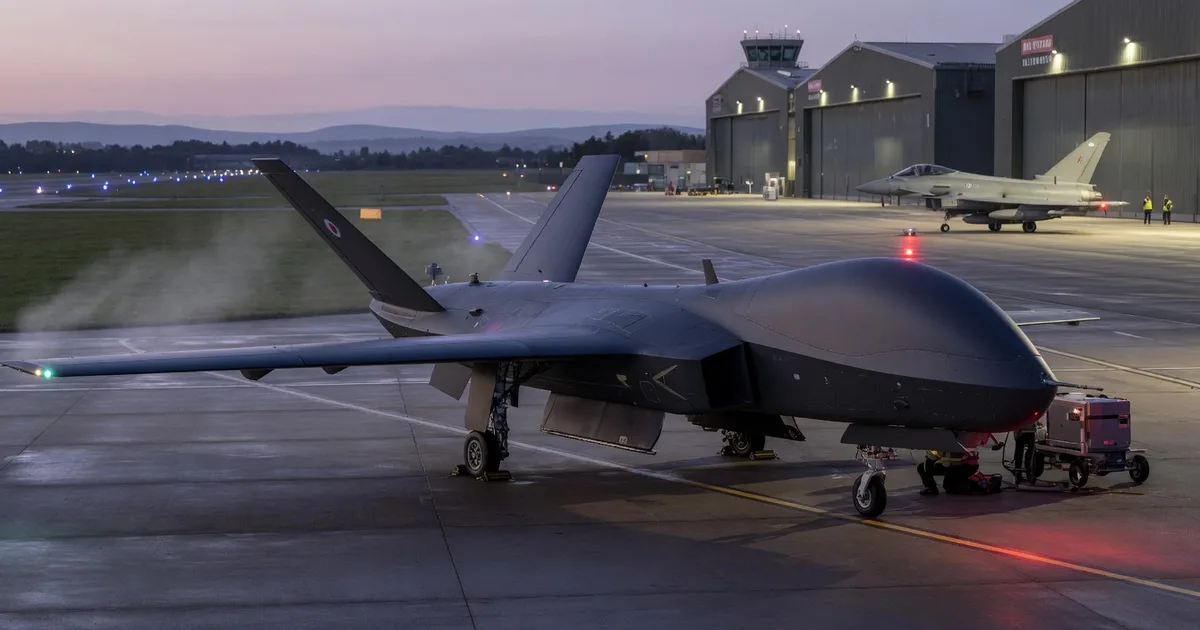
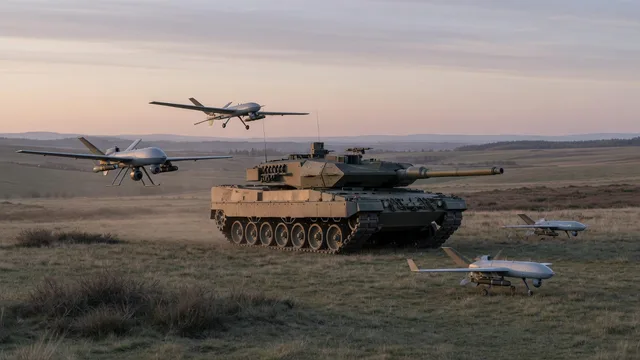
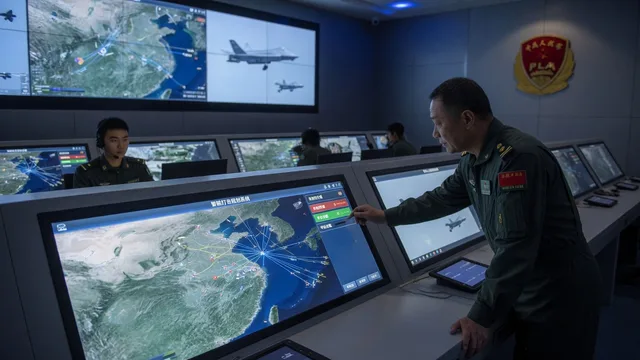
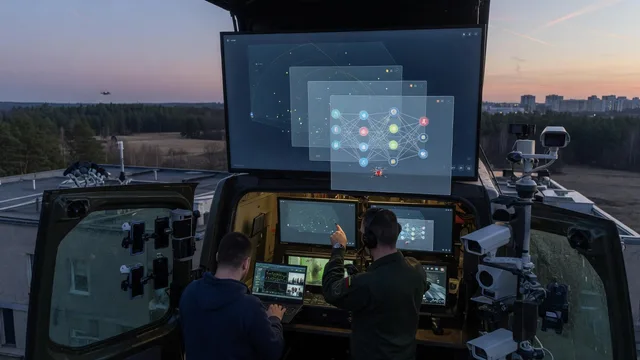
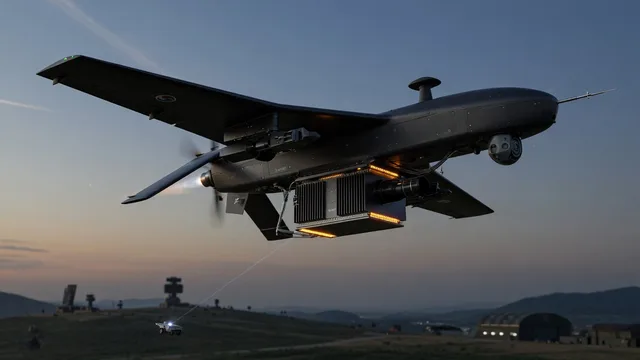
The Pentagon is calling for a rapid AI transformation. Autonomous drones offer a case study in the eight bottlenecks the U.S. military must navigate to realize that vision.
Summary
The article investigates obstacles to integrating artificial intelligence into U.S. military operations, taking autonomous drones as a central case study. It outlines eight distinct bottlenecks that collectively impede the pace at which AI capabilities move from research and prototyping into operational use across defense organizations.
These bottlenecks encompass technical integration challenges, procurement and acquisition processes, data-sharing limitations, workforce skill gaps, and regulatory or doctrinal constraints. By focusing on drones, the analysis illustrates how even relatively mature AI applications encounter friction when scaled within existing command structures and testing regimes.
The discussion situates these barriers within the broader context of defense innovation, showing how they interact to slow technology diffusion rather than acting in isolation. It emphasizes the need for coordinated adjustments in policy, infrastructure, and organizational practice if AI systems are to achieve wider and faster adoption in military environments.
Why it matters
Although focused on the U.S. military, the identified bottlenecks in AI diffusion provide critical strategic insights for Dutch defense technologists and doctrine developers. Understanding these barriers helps European defense industries navigate similar bureaucratic and technical challenges within NATO frameworks.