U.S. Army tests DeepFires autonomous rocket launcher and robotic resupply system at Project Convergence Capstone 6 in California
23:52 · July 31, 2026 · RSS APP - Military Autonomous Systems
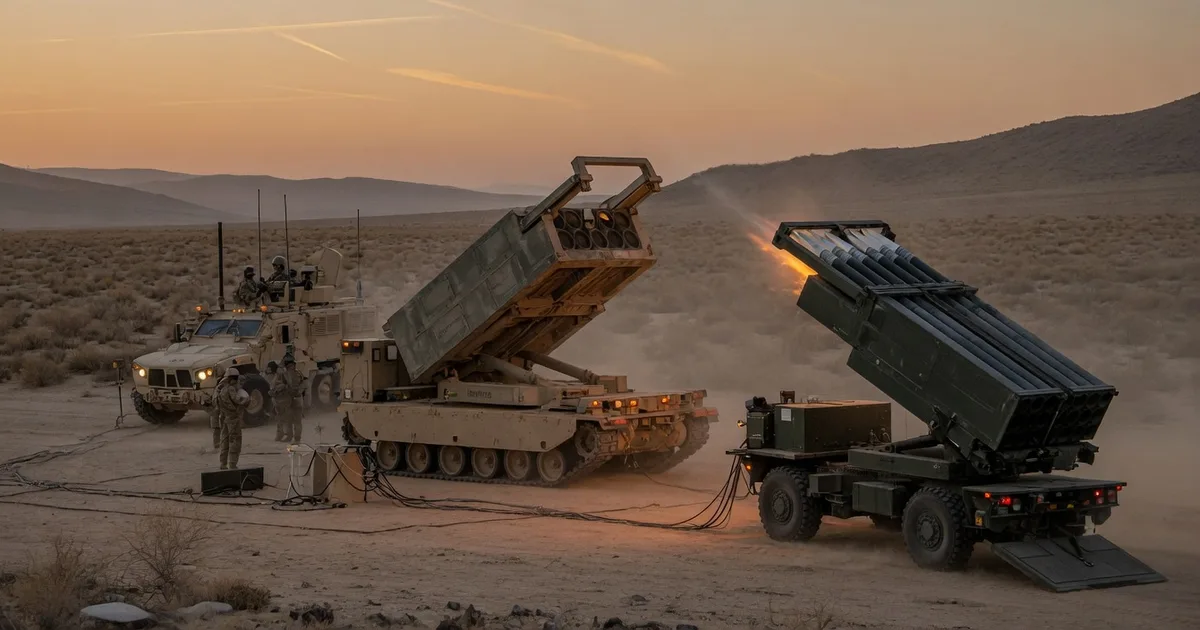
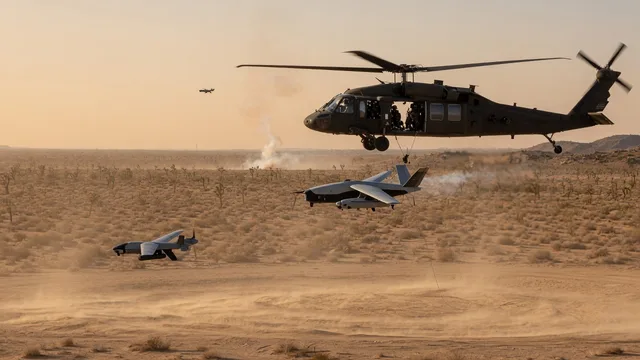
The U.S. Army has tested an experimental autonomous rocket launcher, robotic resupply vehicle and mobile command system at Fort Irwin, California.
Summary
The U.S. Army evaluated an experimental DeepFires autonomous rocket launcher and an accompanying robotic resupply vehicle during Project Convergence Capstone 6 at the National Training Center in Fort Irwin, California. Soldiers from the 2nd Battalion, 18th Field Artillery Regiment operated the system in coordination with developers from Oshkosh, Forterra, Corvid Technologies and Collins Aerospace. The test built on earlier work from Capstone 5 and the Contested Force Integration Warfare Exercise, focusing on how autonomous platforms can increase artillery reach while reducing crew exposure.
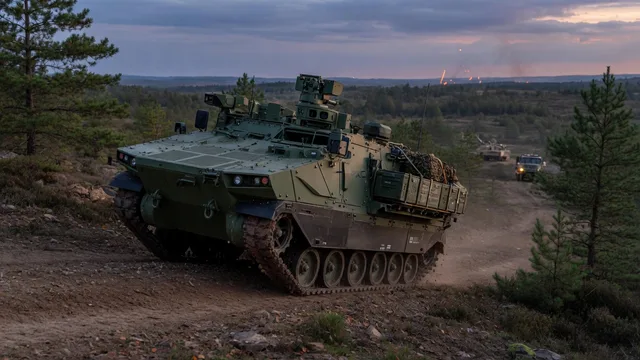
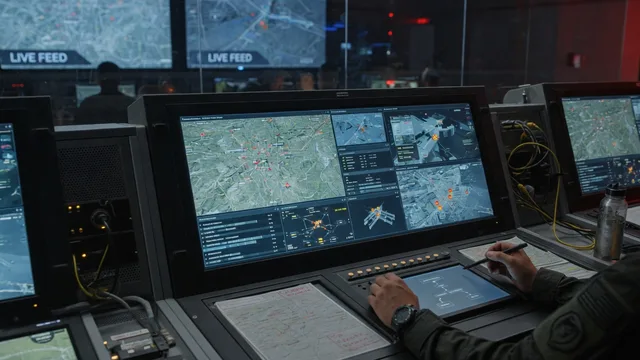
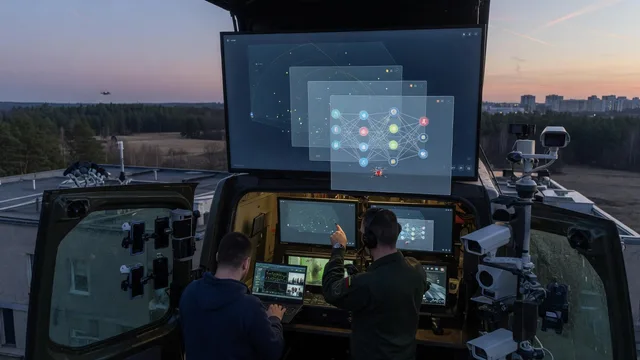
The evaluation used a leader-follower architecture in which a single manned Joint Unmanned Autonomous System Multi-Payload System Command and Control vehicle directed two unmanned platforms: the DeepFires Multiple Launch Rocket System launcher and an Autonomous Resupply Vehicle. All tactical decisions remained with the crew inside the protected command vehicle, which maintained a multilayered communications link designed to function in electronically contested conditions. This separation moves launch and ammunition-handling tasks to the robotic units, limiting the number of soldiers positioned near the firing point.
The configuration is intended to counter contemporary threats such as drones, counter-battery radars and precision-guided munitions that make static or crewed artillery positions more vulnerable. Feedback from participating soldiers was incorporated on-site to refine software and procedures. Future iterations are planned to let one command vehicle supervise up to four autonomous launchers and multiple resupply vehicles simultaneously, shifting noncommissioned-officer responsibilities from direct equipment handling toward remote emplacement and supervisory oversight.
Why it matters
This article is relevant for Dutch and NATO defense professionals as it demonstrates practical battlefield applications of autonomous systems and remote command architectures. It provides critical insights for doctrine developers and strategists focusing on Robotics and Autonomous Systems (RAS) and interoperability within allied forces.