U.S. Army Selects Dire Wolf UGV for Autonomous Logistics in Contested Environments
10:06 · July 27, 2026 · RSS APP - Military Autonomous Systems
<div><img src="https://defensefeeds.com/wp-content/uploads/2026/07/BLADEs-Dire-WOLF-UGV.webp" style="width: 100%;" /><div><div><div style="left: 0; width: 100%; height: 0; position: relative; padding-
Summary
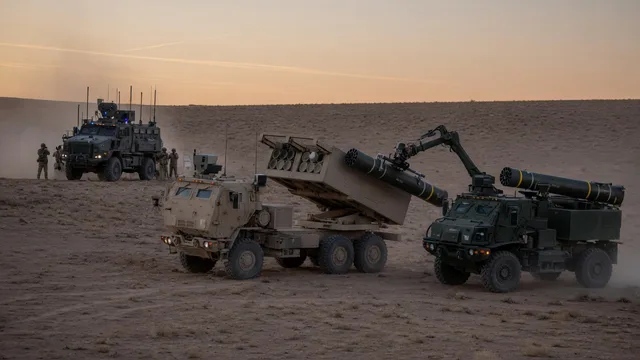
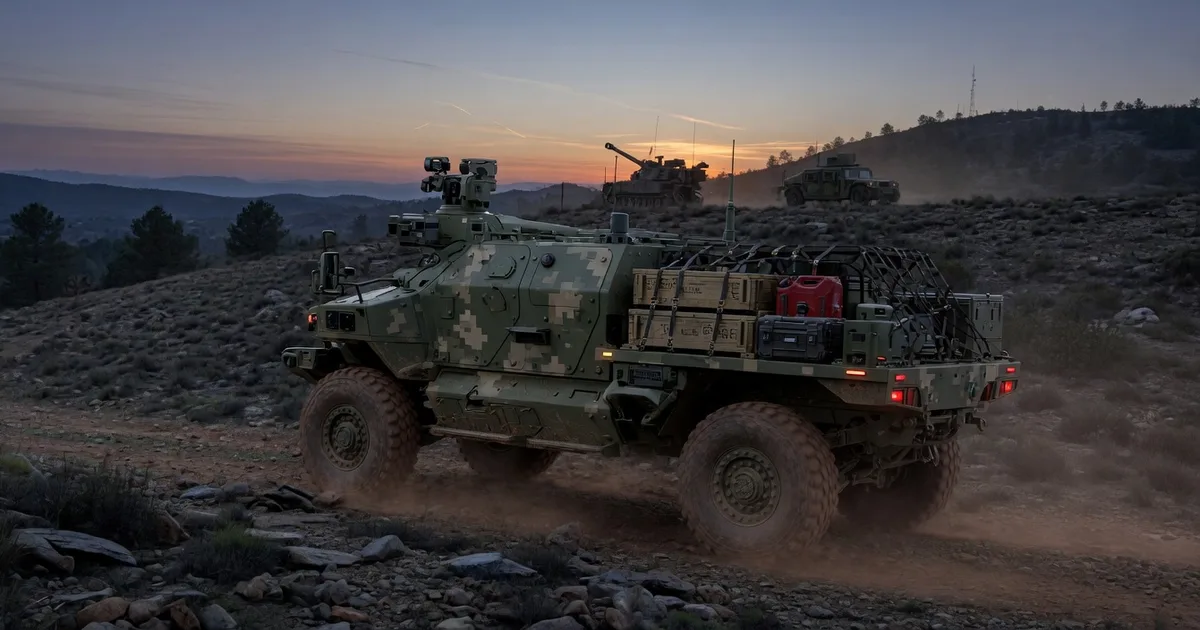
The U.S. Army has chosen the Dire Wolf unmanned ground vehicle for its BLADES program, which targets automated distribution of supplies in contested settings. The platform is intended to move ammunition, food, fuel and medical materiel to forward positions across difficult terrain, operating without an onboard crew so that resupply can continue when crewed vehicles would face elevated risk. Its modular configuration supports different payload and mission profiles, allowing the same chassis to adapt to varying operational demands rather than serving a single fixed role.
Under BLADES (Baseline Logistics Autonomous Distribution and Execution System), the Dire Wolf is being evaluated as part of mixed formations that combine autonomous and manned assets. Routine or high-threat resupply tasks can be shifted to the unmanned vehicle, freeing crewed platforms for missions that still require human judgment. This approach also aims to sustain units operating across dispersed areas by providing additional routes and reducing the overall logistical footprint.
The selection aligns with the Army’s modernization priorities for multi-domain operations, where resilient sustainment is viewed as essential to maintaining tempo under long-range strike, electronic warfare and surveillance threats. Autonomous ground systems are expected to complement existing transport assets, improve network redundancy and eventually extend into related functions such as casualty evacuation or engineering support once field data confirm their reliability.
Why it matters
This article is relevant for defense technologists and strategists as it highlights a major allied investment in autonomous logistics and robotic ground vehicles. Understanding U.S. Army procurement trends in AI-driven sustainment provides valuable insights for NATO interoperability and European defense modernization efforts.