SOCOM planning to test new mission autonomy software for unmanned systems program
20:42 · August 18, 2026 · Defense Scoop

The command plans to hold multiple events to assess industry solutions in the coming months, according to a special notice. The post SOCOM planning to test new mission autonomy software for unmanned systems program appeared first on DefenseScoop.
Summary
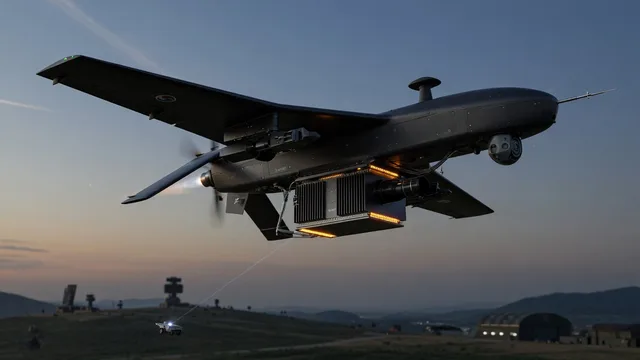
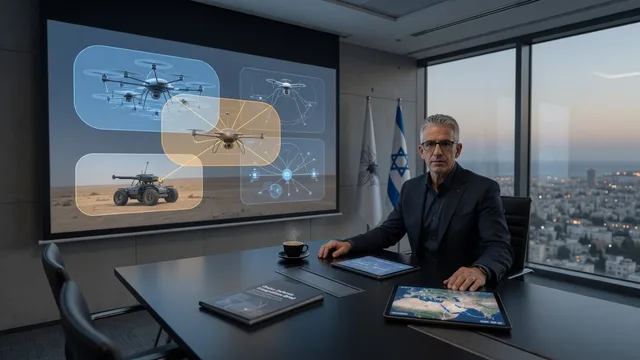
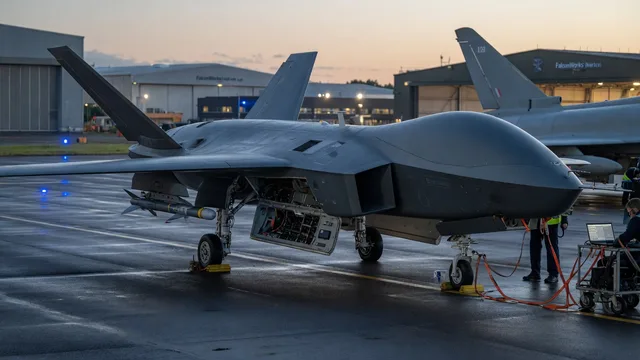
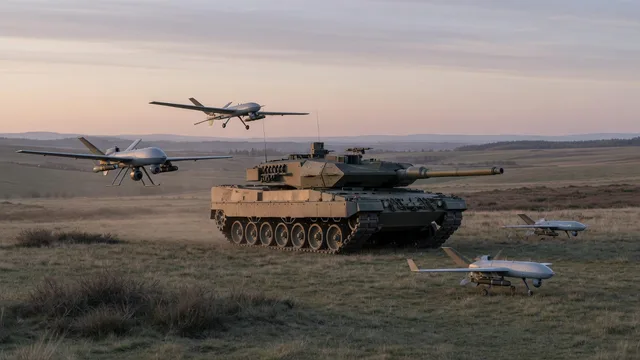
U.S. Special Operations Command’s program executive office for SOF digital applications is working with the SOFWERX innovation hub to evaluate decentralized mission autonomy software under the Unmanned Systems Autonomy and Interoperability program. The effort focuses on solutions that can operate across heterogeneous, multi-platform, multi-domain unmanned systems and integrate directly with the existing Collaborative Heterogeneous Autonomy Operations Software baseline. Officials emphasize the need for open, modular architectures that allow organic configuration and sustainment, reducing reliance on any single vendor for ongoing development.
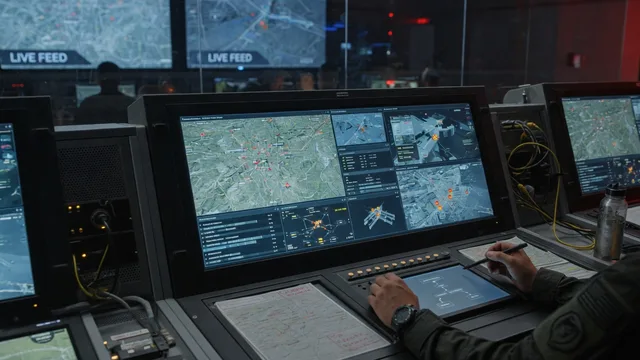
The requirement stems from limitations in conventional vertical-stack autonomy systems, which depend on proprietary interfaces and remain susceptible to disruption in contested electromagnetic environments. Decentralized approaches are intended to support peer-to-peer coordination, dynamic re-tasking, and localized planning even when external communications or centralized command links are unavailable. SOCOM has issued a special notice inviting industry submissions that meet these criteria, with responses due by 8 September.
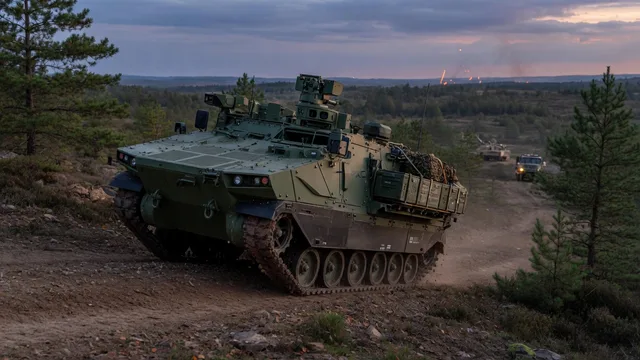
Multiple assessment events are planned to examine candidate capabilities. After successive downselects, the command expects to complete a final selection in December and advance chosen solutions for further development. Awards may take the form of other transaction agreements, Federal Acquisition Regulation contracts, or alternative instruments. The initiative aligns with wider Department of Defense efforts to field uncrewed systems that increase operational reach while limiting exposure of personnel.
Why it matters
This article is highly relevant as it highlights cutting-edge requirements for decentralized mission autonomy and drone interoperability in contested environments. Dutch and NATO defense technologists, strategists, and AI engineers can leverage these insights to align local R&D with US/NATO interoperability standards and open-architecture trends.