At SIGGRAPH, NVIDIA Advances Graphics and Simulation With Agentic and Physical AI
17:00 · July 20, 2026 · NVIDIA

From open models to real-time simulation, AI and graphics breakthroughs are transforming media, content creation and robotics.
Summary
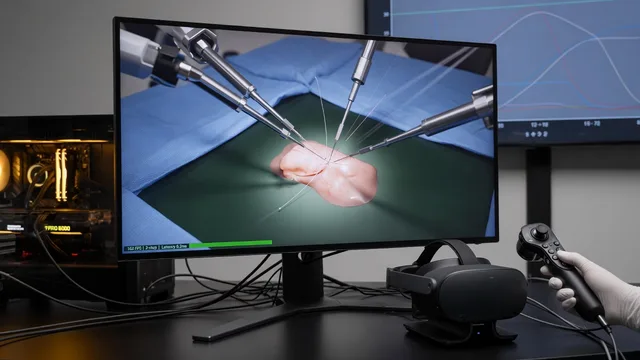
At SIGGRAPH 2026 in Los Angeles, NVIDIA presented advances that link neural rendering, world models and simulation techniques to both creative pipelines and physical AI systems. The keynote highlighted three research threads: 3D-guided neural rendering that preserves artistic intent while delivering temporally stable 4K output in real time, AI-accelerated physics models that compress simulation checkpoints by orders of magnitude for rapid visualization, and world foundation models trained on diverse physical tasks.
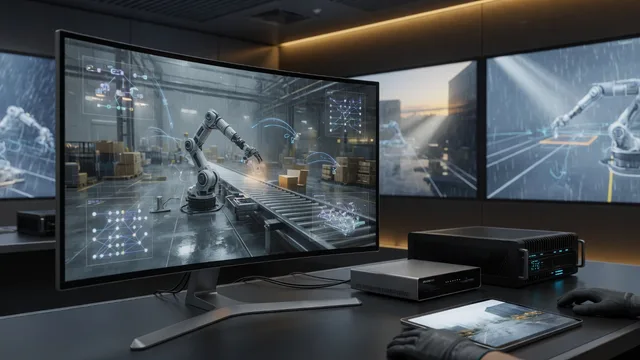
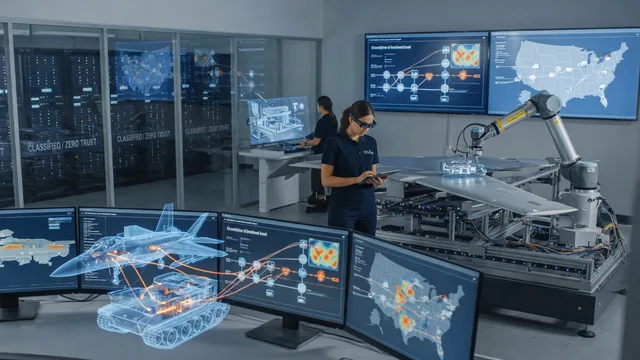
Central to the physical-AI announcements was the release of Cosmos 3 Edge, a 4-billion-parameter open model from the Cosmos platform. Designed for on-device inference, it supports real-time operation on local hardware and provides a shared backbone for tasks such as world understanding, prediction and action across embodiments including humanoid robots, grippers and autonomous vehicles. Complementary closed-loop simulators under the Cosmos-Dreams label generate complete environments from single frames, enabling developers to validate models or synthesize rare training scenarios before fleet deployment.
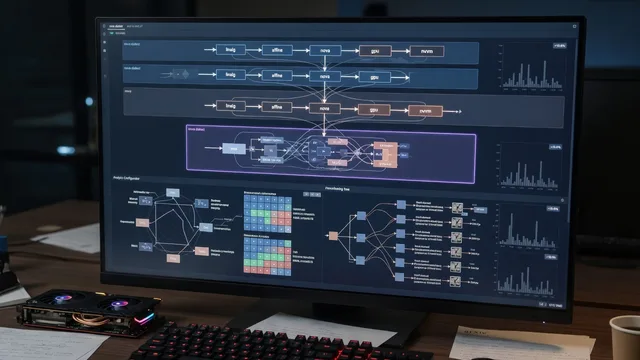
On the agentic side, NVIDIA introduced Model Context Protocol (MCP) integrations that expose production data and APIs inside leading digital-content-creation tools. Adobe, Blender, Affinity by Canva, Boris FX Silhouette, Foundry Griptape, SideFX Houdini and Unreal Engine now allow AI agents to inspect scenes, manage layers, execute scripted edits and orchestrate multi-step workflows while keeping final creative decisions with human operators. The same protocol is supported by NVIDIA’s own Agent Toolkit, facilitating local execution on RTX PRO workstations and DGX systems.
NVIDIA also announced a Synthetic Video Detector NIM microservice aimed at newsrooms and media organizations for identifying AI-generated video. Together, these releases illustrate an effort to combine high-fidelity digital simulation with deployable agents and detectors that operate across both virtual production environments and real-world robotics applications.
Why it matters
The article showcases significant AI breakthroughs in creative workflows, robotics, and media verification. The Synthetic Video Detector is highly relevant to the Dutch market's focus on ethical and transparent AI, while the accessible agentic AI tools support the high rate of AI adoption among Dutch SMEs.