Rolls-Royce defence margin jumps to 21% as autonomous propulsion milestones and military engine orders advance across Europe and the U.S.
21:25 · July 30, 2026 · RSS APP - Military Autonomous Systems
Rolls-Royce raised its 2026 guidance after first-half underlying operating profit increased 46% to £2.53 billion.
Summary
Rolls-Royce reported a 46 percent rise in first-half underlying operating profit to £2.53 billion, lifting group margin to 22.5 percent and prompting the company to raise its full-year guidance to £4.7–4.9 billion. Its Defence division contributed strongly, with underlying operating margin expanding to 21 percent from 15.4 percent on improved aftermarket performance and internal efficiencies. Free cash flow reached £1.96 billion, supporting an interim dividend and continuation of a £2.5 billion share buyback programme.
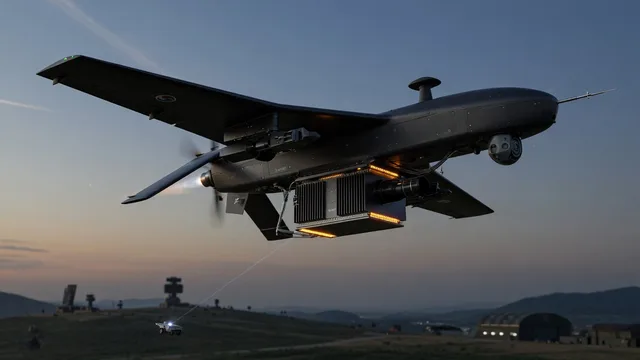
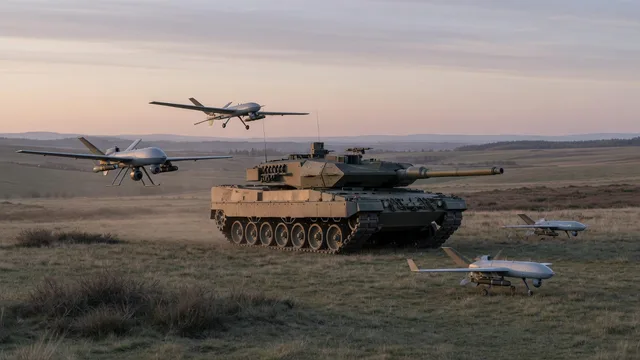
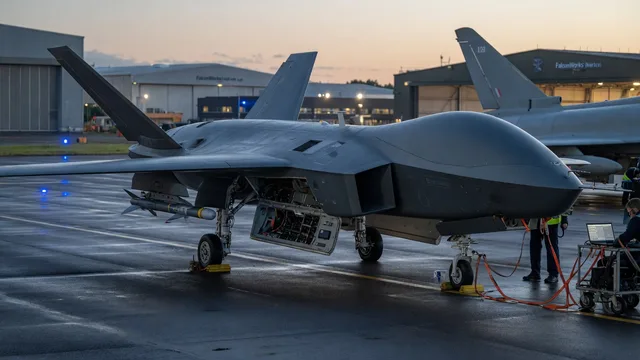
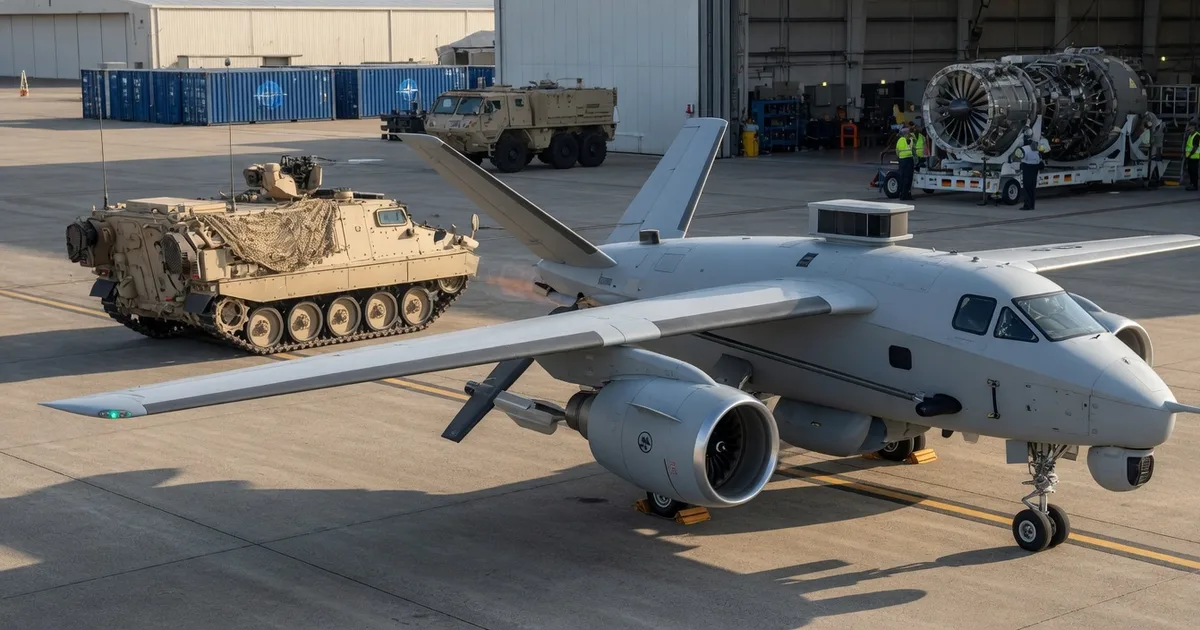
The results coincide with measurable progress in autonomous military propulsion. In the United States, the MQ-25A Stingray completed its first flight using Rolls-Royce AE 3007N engines, executing a fully programmed autonomous mission. In Germany, the company is developing a scalable core engine concept under contract for medium-class Collaborative Combat Aircraft platforms. In the United Kingdom, the Defence Investment Plan has allocated £5 billion to autonomous systems and £8.6 billion to the Global Combat Air Programme through 2030, providing longer-term funding visibility for propulsion work.
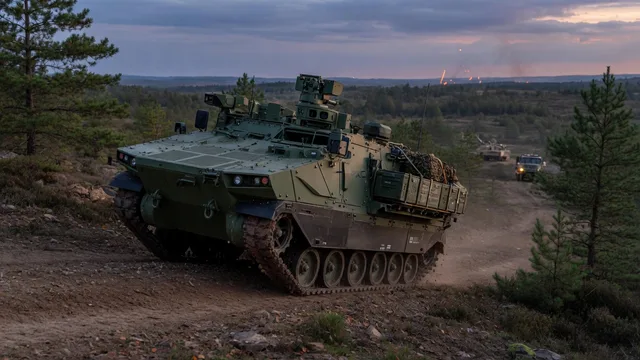
Additional demand is emerging in land platforms. Rolls-Royce secured orders for 350 upgraded mtu Series 199 engines for Boxer vehicles and approximately 200 compact mtu PowerPacks for Puma armoured personnel carriers, both destined for German and allied forces. These contracts sit alongside a memorandum with Polska Grupa Zbrojeniowa covering maintenance of mtu engines in Polish service. The company now projects 20 percent growth in original-equipment revenue for governmental Power Systems applications by 2030.
Chief Executive Tufan Erginbilgic attributed the performance to a more diversified and resilient portfolio capable of responding to shifting defence priorities, including commitments announced at the latest NATO summit. The first-half results have increased management confidence in medium-term targets for military propulsion, autonomous systems and land-platform powertrains.
Why it matters
This article highlights significant European and NATO investments in autonomous military systems and propulsion, providing valuable market context for defense technologists and strategists. While not specific to the Netherlands, the £5 billion UK investment and German Collaborative Combat Aircraft developments signal strong regional demand for autonomous defense capabilities.