Dutch Navy to equip fleet with Destinus C-UAS interceptor drones
10:50 · August 25, 2026 · Defense News

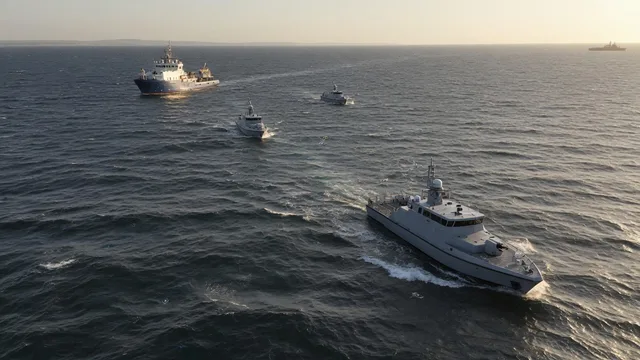
The Royal Netherlands Navy plans to equip its fleet with a new counter-UAS capability from defense firm Destinus.
Summary
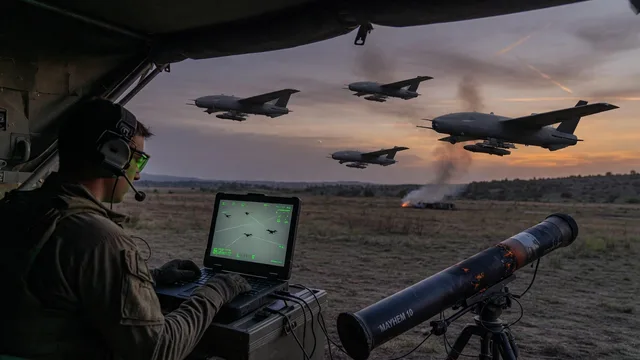
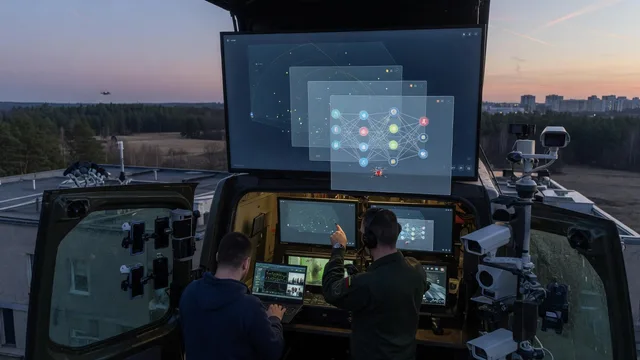
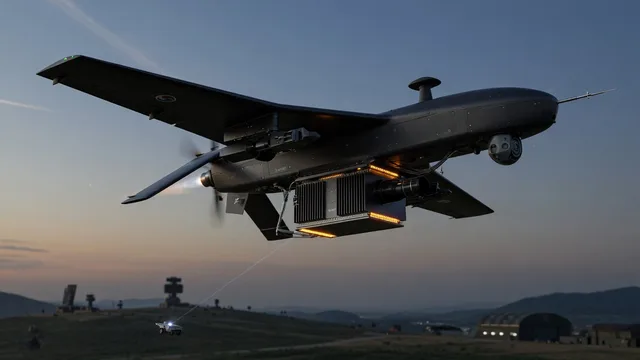
The Royal Netherlands Navy will integrate Destinus Hornet B2 interceptor drones into its warships to provide a kinetic counter-UAS layer against medium-range drone threats. The system adds a base station and canister-based launch platform to existing ship armaments, with the interceptors themselves launched by rocket booster before deploying wings for electric-powered cruise flight. Terminal guidance relies on electro-optical and infrared sensors combined with AI processing to engage one-way attack UAVs.
The program covers delivery of the interceptors, ship integration, testing, and support through an initial operating capability milestone scheduled for the second quarter of 2027. Dutch Ministry of Defence personnel will supply direct operational input during development to refine requirements and reduce later modifications. The effort builds on the Hornet B1 variant already in serial production.
This approach targets the economic mismatch created by low-cost, high-volume aerial threats, where traditional missile intercepts become unsustainable. The Dutch decision follows observed use of similar low-cost interceptors in Ukraine and the U.S. Navy’s deployment of Raytheon Coyote systems on Arleigh Burke-class destroyers. The new capability is intended to complement, rather than replace, existing naval air defenses.
Why it matters
Directly covers Dutch defense AI application in autonomous interceptors, relevant to NATO/EU naval protection priorities and Dutch AI market growth in defense.