BAE Systems CEO says autonomous combat aircraft and low-cost drones will complement major platforms and support long-term growth
12:18 · August 5, 2026 · RSS APP - Military Autonomous Systems
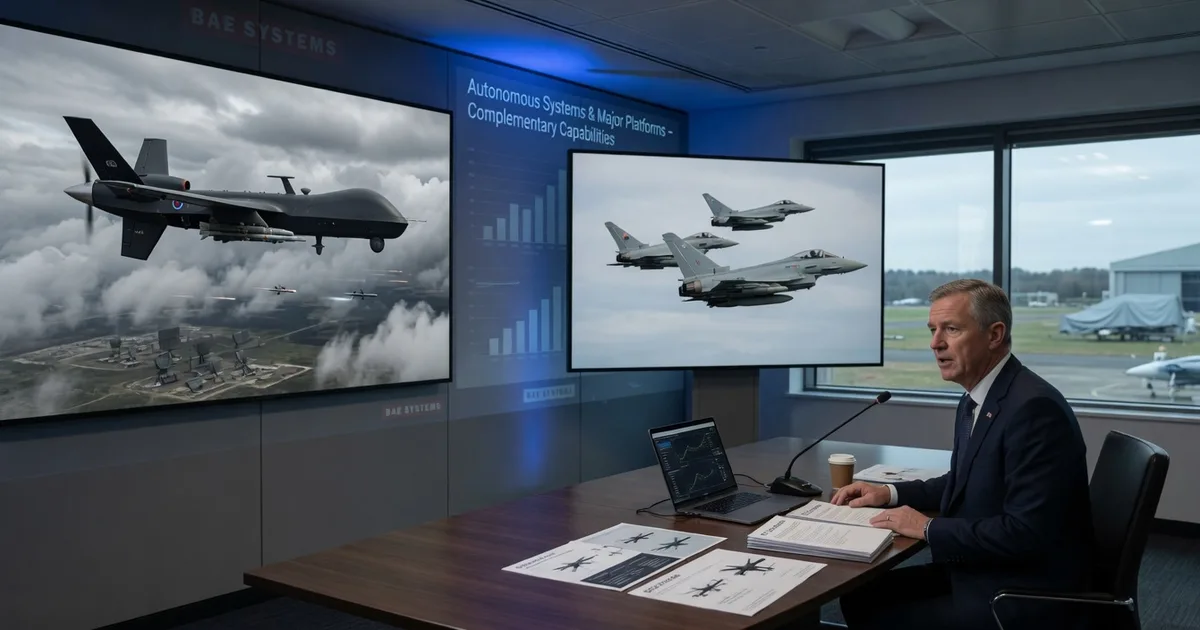
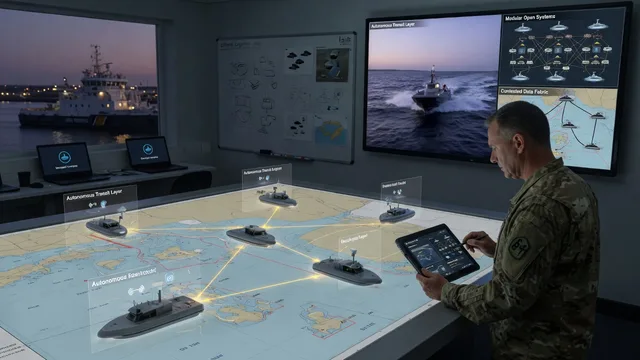
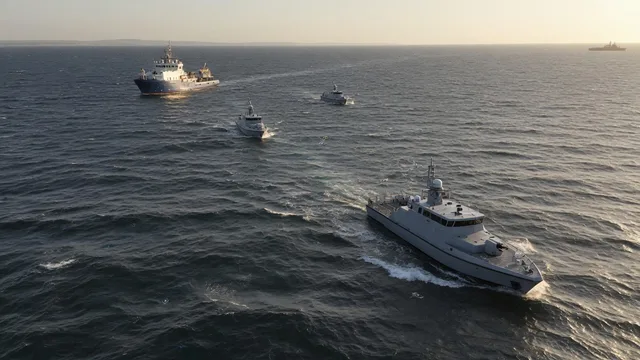
BAE Systems expects drones and autonomous systems to become a larger part of military forces without displacing combat aircraft, submarines and other high-end platforms.
Summary
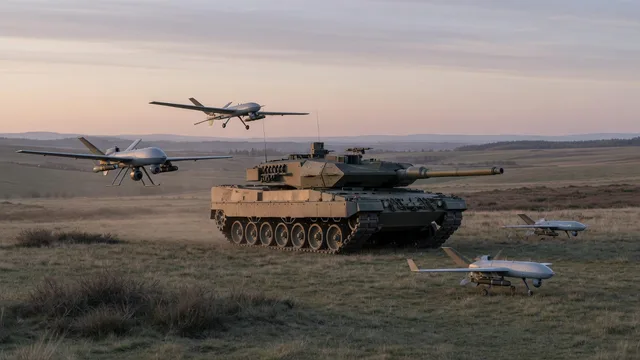
BAE Systems chief executive Charles Woodburn told investors during the group’s first-half 2026 earnings call that uncrewed aircraft and autonomous systems will expand within military inventories while leaving high-end crewed platforms such as fighter jets and nuclear submarines in place. He described the two categories as complementary, noting that complex platforms continue to deliver capabilities that current autonomous systems cannot replicate.
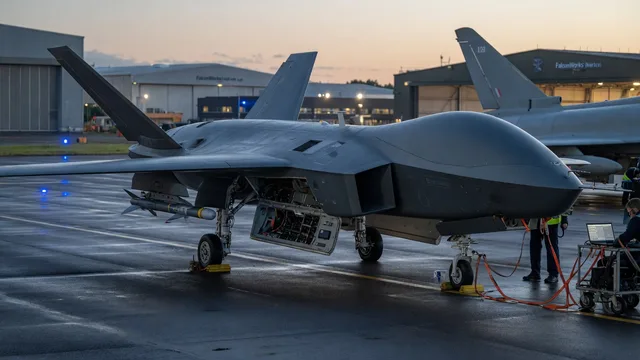
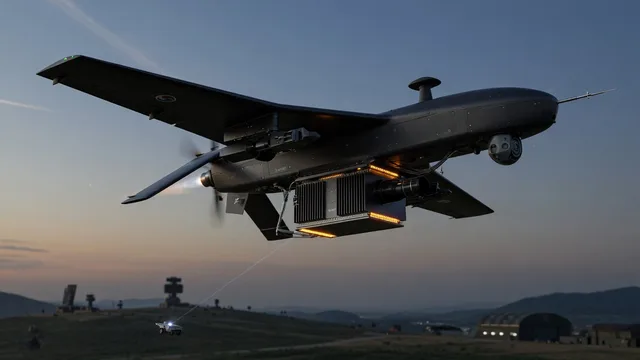
The company is directing resources toward both segments. Its autonomous-air portfolio spans low-cost attritable aircraft intended for high-volume operations and more capable Collaborative Combat Aircraft. Woodburn singled out the Taranis long-range deep-strike uncrewed aircraft, which he said is already functioning in demanding contested airspace, and the Brontanax Collaborative Combat Aircraft, a self-funded programme unveiled at the Farnborough Airshow to demonstrate early commitment ahead of formal orders.
Woodburn emphasised that reliable performance in military environments requires more than isolated technologies. BAE Systems intends to combine its operational experience with software, specialised hardware and systems-integration skills, while scaling production when demand increases. He also observed that drones, counter-drone systems and autonomous capabilities are drawing new entrants from outside the traditional defence sector, raising the bar for differentiation.
The UK Defence Investment Plan allocates substantially more funding to autonomous systems than earlier budgets, yet Woodburn maintained that major platforms will remain the larger commercial opportunity. Affordable mass systems constitute a smaller but rapidly expanding market that the company expects to support longer-term growth.
Why it matters
This article is highly relevant as it outlines the strategic direction of a major European defense contractor regarding autonomous systems and AI integration. It provides valuable insights for defense strategists and industry professionals on how uncrewed assets will complement traditional platforms in future NATO and European military doctrines.