Army opens test ranges to private industry
22:59 · August 12, 2026 · Defense News

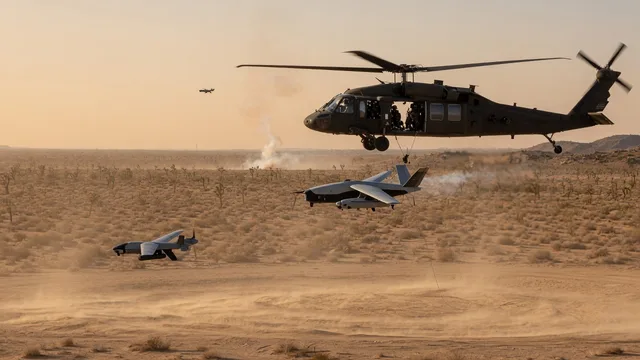
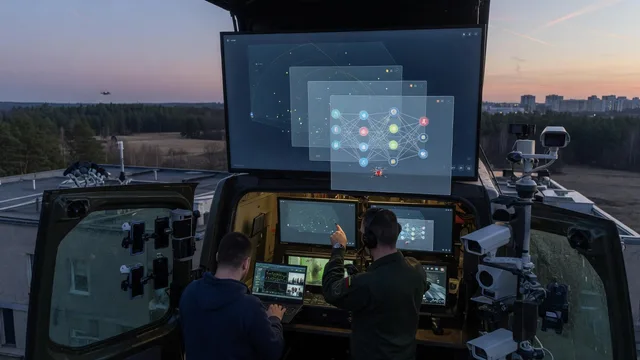
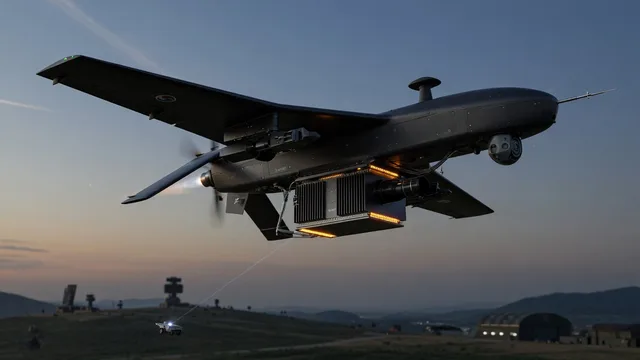
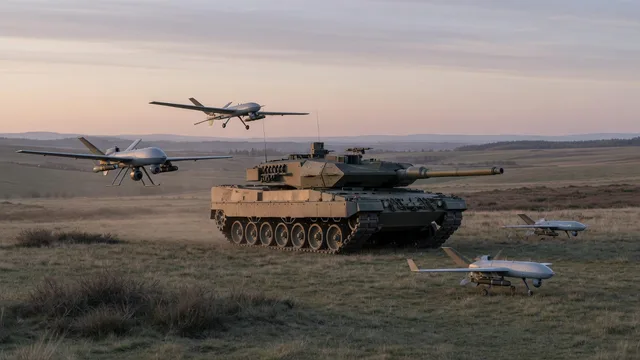
The effort, the Army says, is designed to hasten the development and testing of drones, counter-drone systems, long-range fires and cheap interceptors.
Summary
The U.S. Army is opening five military test ranges to private companies in an effort to accelerate development and field testing of drones, counter-drone systems, long-range fires, and low-cost interceptors. Four ranges are in the United States—Dugway Proving Ground in Utah, West Cibola Range in Arizona, Camp Shelby Joint Forces Training Center in Mississippi, and Camp Grayling in Michigan—while the fifth is the Africa Multidomain Training and Experimentation Center in Morocco. Firms without existing government contracts or programs of record can request access through a single online portal at testrange.army.mil, which lists site-specific parameters and available capabilities.
Camp Grayling will host recurring electromagnetic unreliability test events starting in September, designed to replicate the contested electronic warfare conditions encountered in Ukraine. These exercises will run on a quarterly basis and focus on drone and counter-drone performance under degraded signals and jamming. Other ranges emphasize different mission sets, such as long-range fires at Dugway and drone-specific assessments at West Cibola.
The initiative is managed by the U.S. Army Test and Evaluation Command in coordination with the Mississippi and Michigan National Guards and U.S. Africa Command. It coincides with Pentagon-wide measures to shorten acquisition cycles, including the creation of Joint Interagency Task Force 401 and its online marketplace for counter-drone technologies, as well as efforts to replenish interceptor inventories. Companies may submit requests through the portal, though the Army does not guarantee specific locations or timelines.
Why it matters
It highlights a major shift in lowering barriers for private industry to test autonomous and counter-drone systems in realistic electronic warfare environments. While US-centric, it sets a benchmark for NATO allied acquisition strategies and offers potential testing avenues for European defense tech companies.