FOMO in the SOC: Where AI Platforms like Claude Actually Fit
13:30 · August 3, 2026 · Hacker News AI Section
AI is moving incredibly fast, and every security leader is feeling the pressure to keep up. AI platforms like Claude, Codex and Cursor are already helping security teams write detections, investigate alerts, summarize incidents, and automate repetitive work. The conversation has evolved from whether AI belongs in the SOC, to where each type of AI delivers the most value. With so many new AI
Summary
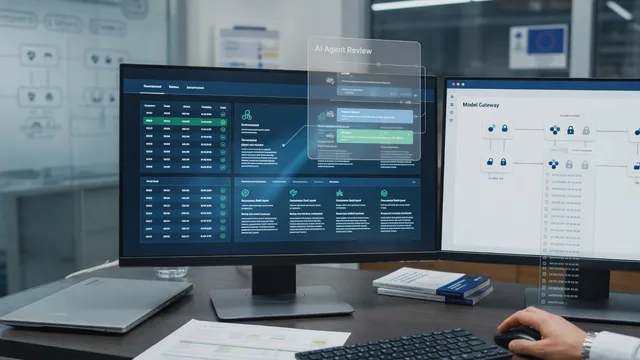
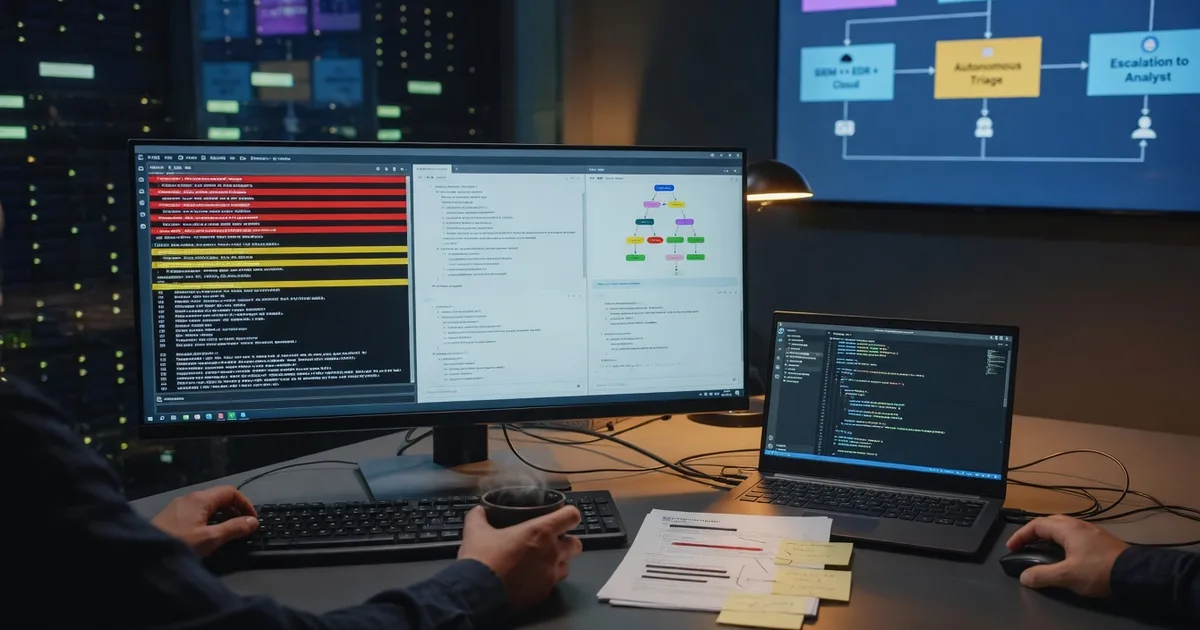
AI platforms such as Claude, Codex, and Cursor are already integrated into security workflows to draft detection rules, explain suspicious activity like PowerShell commands, summarize investigations, and translate queries across languages. These tools operate most effectively when analysts, detection engineers, and incident responders direct them toward discrete, high-judgment tasks. In contrast, autonomous AI SOC platforms sit between existing security tools and human teams, ingesting alerts from SIEM, EDR, cloud, and identity systems, then applying continuous correlation, organizational context, and deterministic workflows to decide which cases require escalation.
The distinction arises from both design and economics. AI platforms consume tokens for every piece of context—endpoint telemetry, process trees, logs, and prior investigations—so routing thousands of daily alerts through fresh model calls quickly becomes expensive and inefficient. An autonomous AI SOC instead caches context, reuses forensic analysis, and invokes large language models only where they add value, producing predictable costs while triaging the full alert stream. This architecture also addresses environments managed by MDR providers, where raw telemetry and investigation history often remain inaccessible to external AI platforms.
Security teams therefore gain capacity when the two layers operate together. The autonomous component filters noise and surfaces only meaningful incidents, freeing analysts to apply AI platforms for threat hunting, report generation, and strategic decisions rather than repetitive triage. Organizations that treat the tools as interchangeable risk either unsustainable token spend or persistent alert fatigue; those that align each layer to its intended scope reduce missed threats and improve response quality.
Why it matters
This article provides actionable architectural guidance for security professionals on integrating AI into SOC workflows. It helps Dutch cybersecurity teams optimize their AI investments by distinguishing between human-assistive AI and autonomous triage systems, directly addressing alert fatigue and operational efficiency.