How monday.com transformed its platform into an agent-first product where humans and agents collaborate
02:00 · August 20, 2026 · Claude Blog
Summary
monday.com has rearchitected its core platform from a visual workflow and project-management interface into an agent-first environment built around human-agent collaboration, with Anthropic’s Claude as the primary model. The change addressed a clear limitation the company encountered after an initial wave of feature additions: teams produced many lightweight automations that summarized text or categorized data, yet these additions failed to alter underlying usage patterns or the product’s value proposition. Executives described the earlier approach as “AI dust” layered onto existing structures rather than a native redesign.
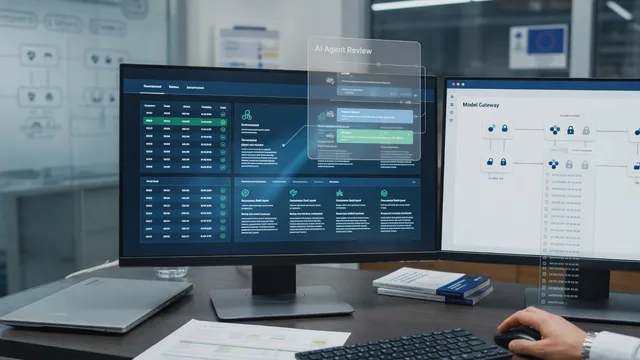
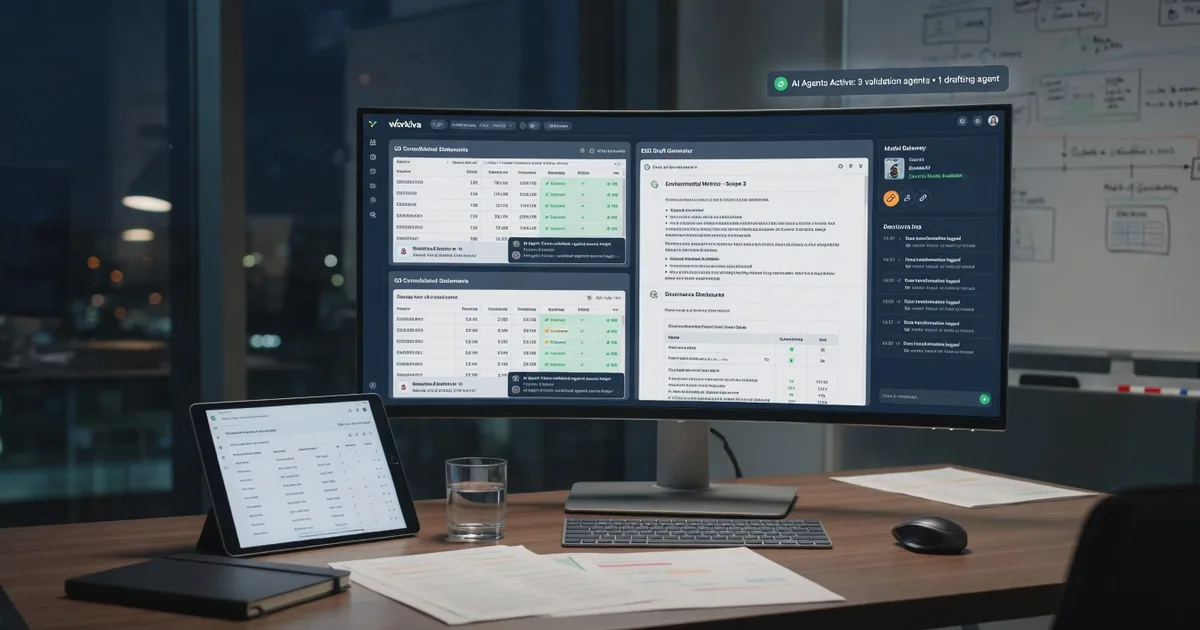
The rebuilt system treats agents as named teammates that inherit the same context, permissions, boards, and governance already present in monday workspaces. Colleagues assign tasks through mentions and triggers exactly as they would with human coworkers. Since the May 2026 launch, customers have recorded more than five million such interactions. Typical agent roles include IT ticket triage, candidate sourcing, competitive-intelligence briefings, and routine chief-of-staff work such as meeting preparation and task tracking.
Four distinct integration paths allow Claude to operate inside the platform. Teams can create custom agents directly in monday Agents and select Claude as the underlying model. Bring Your Own Agent (BYOA) lets externally built Claude Managed Agents join existing boards as shared teammates. A marketplace offers pre-built agents derived from Claude plugins for specialized domains such as legal or finance. Finally, the Claude Coding integration connects the model to monday dashboards so it can plan work, execute tasks in the customer’s own environment, and return results or code changes to the originating item for review or handoff.
An end-to-end marketing example illustrates the pattern. A Strategist Agent converts a raw campaign brief into structured objectives and metrics; a Landing Page Builder then generates variants from the approved brief; a Brand Reviewer agent subsequently checks the output against guidelines before a human makes the final publish decision. All steps remain anchored to a single board item. Similar agent chains now support project planning and contract maintenance at customers such as the seafood company Cooke, where Claude and monday together automate status reporting and risk logging across hundreds of active projects.
Why it matters
This case study is highly relevant for product teams and builders as it provides a strategic blueprint for transitioning from superficial AI features to a native, agent-first architecture. It offers actionable insights into integrating LLMs like Claude into core workflows, which is highly applicable for Dutch SaaS companies and AI practitioners looking to drive sustained user engagement.