Building effective human-agent teams
02:00 · June 24, 2026 · Claude Blog

Summary
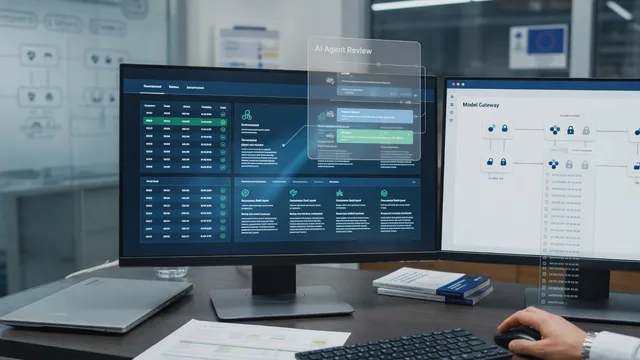
The shift from single-player AI interactions to multiplayer human-agent teams marks a notable evolution in how organizations deploy capable models. Where earlier workflows confined one human to one chat interface for tasks such as coding or research, newer tools allow agents to operate inside shared workspaces like Slack alongside multiple people. These agents maintain independent memory, credentials, and tool access, enabling them to participate directly in team channels rather than remaining isolated in personal sessions.
Four practical patterns have emerged from months of internal testing at Anthropic. First, teams default to broad, workspace-level transparency so agents can draw on the same written context—meeting notes, specifications, and discussions—that humans use. Private channels and restricted documents are avoided inside defined security boundaries, reducing decision fatigue while allowing agents to surface overlooked connections across projects. Second, roles are assigned explicitly at project start: one agent might manage data analysis with BigQuery access, another enforce design standards, and humans retain oversight of final judgments. This prevents duplicated effort and keeps team context unified.
Third, teams articulate a single north-star goal that agents can reference when proposing new workstreams. With this written direction in place, selected agents move beyond task completion to suggest improvements, such as revising onboarding copy to raise success rates. Fourth, autonomy expands gradually through repeated verification cycles. Agents begin with narrow assignments and simple checks; as reliability grows, they handle larger scopes, using techniques such as doer-verifier pairs or rubric-based self-review. Humans coach agents to batch questions and respect attention limits, preserving sustainable oversight.
These habits mirror established team practices, yet agents make consistent application of clear documentation, shared quality standards, and deliberate trust-building more consequential. The result is coordinated work across coding, research, and operational coordination without fracturing context across personal instances.
Why it matters
Provides actionable workflows, role definitions, and verification practices for Product Teams and Builders integrating agentic AI into real team processes, directly supporting implementation of new Claude capabilities.