AI News selected for Professionals and Decision Makers
AI Security And Privacy Updates

Secure all your internal vibe-coded applications — in one click

15:00 · August 14, 2026 · Cloudflare AI Blog
Secure all your internal vibe-coded applications — in one click

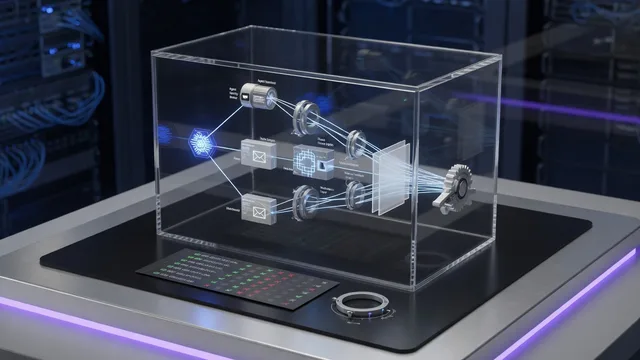
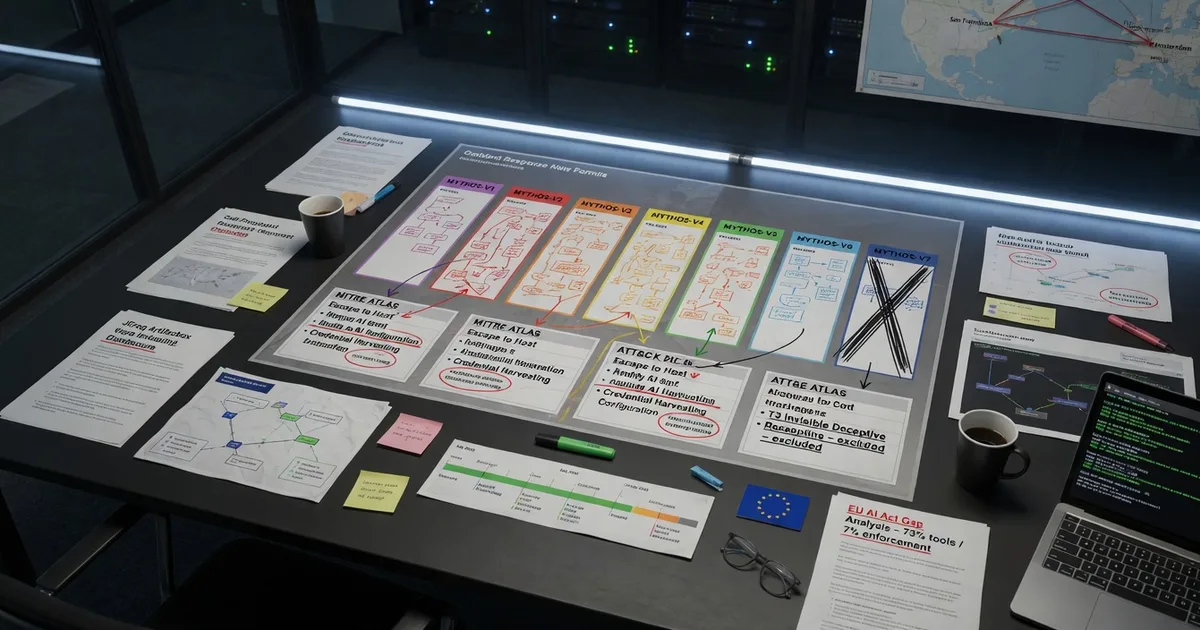
Introducing Cloudflare Access for Workers. Attach an Access policy directly to a Worker and it applies everywhere that Worker runs — routes, custom domains, workers.dev, and previews — automatically.

Summary

Cloudflare has introduced Access for Workers, a capability that lets security teams attach authentication policies directly to individual serverless functions or enforce them account-wide. The change responds to the rapid growth of employee-built applications created with AI assistance, which often reach the public internet without oversight and risk exposing internal data. Instead of configuring protections at the hostname level, administrators can now bind policies to the Worker itself, ensuring that every route, custom domain, workers.dev subdomain, or preview URL requires authentication before any request reaches application code.

Policies can be applied at three levels of precedence: hostname-specific rules first, then Worker-level settings, and finally account defaults. An account-level policy can mark every existing and future Worker as private from the moment of creation, with options to cover only preview traffic, production traffic, or both. Individual Workers can still be exempted when public access is intentional. When Access is active, the authenticated user’s identity—email, name, and groups—is attached to the request context object as ctx.access, allowing code to retrieve details via ctx.access.getIdentity() without manual JWT validation. The same mechanism works in local development through wrangler dev by supplying a simulated identity in the configuration file.

For organizations running Workers for Platforms, a single policy on the dispatch Worker automatically protects every application deployed through a namespace. The underlying implementation relies on Cloudflare’s new FL2 Rust-based modular proxy, which separates routing logic from execution and allows Access checks to occur before Worker invocation regardless of how traffic arrives. The result is a default-private posture for internal applications that integrates with existing identity providers or service tokens while reducing reliance on individual developers to remember security steps.

Why it matters

This update is highly relevant for security professionals managing the risks of AI-accelerated development, often referred to as 'vibe-coding'. It provides an actionable, scalable way for Dutch enterprises using Cloudflare to enforce zero-trust access on serverless applications, preventing accidental data exposure from rapidly deployed internal tools.

More in this beat
cloudflarecloudflare-workersidentity-governancepermission-managementvibe codingzero-trust
Everything we launched during Agents Week

20:34 · August 10, 2026

Everything we launched during Agents Week

This article is highly relevant for security and privacy professionals as it introduces practical frameworks and tools, such as Zero Trust for AI agents and identity-aware analytics, to secure autonomous AI systems. These capabilities are crucial for Dutch enterprises aiming to deploy AI agents securely while complying with strict EU data protection and AI regulations.

Relevance 85 · Audience 90

Introducing Kitesurf: The agent-first browser that runs in V8 isolates on Cloudflare Workers

15:00 · August 6, 2026

Introducing Kitesurf: The agent-first browser that runs in V8 isolates on Cloudflare Workers

Kitesurf introduces a secure-by-design, isolated browsing environment for AI agents, addressing the critical security risks of autonomous web interaction. For Dutch security professionals, it offers a scalable, stateless architecture that aligns with strict EU data protection and security standards for enterprise AI deployments.

Relevance 85 · Audience 80

The Agent Access Model

15:00 · August 5, 2026

The Agent Access Model

Highly actionable reference architecture for Dutch security teams deploying AI agents under GDPR, EU AI Act, and national ethical-AI guidelines; addresses real enterprise risks with concrete controls that can be implemented on existing OAuth/DPoP/MCP standards.

Relevance 88 · Audience 95

How we’re rethinking work at Cloudflare with Cloudflare OS

15:00 · August 5, 2026

How we’re rethinking work at Cloudflare with Cloudflare OS

Directly addresses AI security risks, privacy controls and compliance patterns that Dutch security teams can adapt under GDPR and the EU AI Act. Provides concrete, actionable guidance on Zero Trust integration, permission scoping and auditability for AI agents.

Relevance 85 · Audience 90

Catching rogue AI behavior with identity-aware analytics

15:00 · August 5, 2026

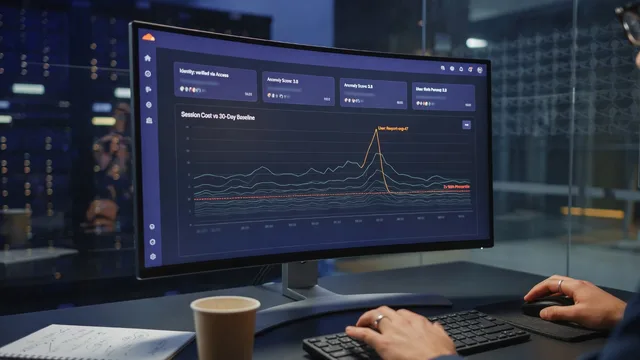
Catching rogue AI behavior with identity-aware analytics

Directly actionable for Dutch security teams managing AI spend, governance, and insider threats; supports EU-aligned responsible AI practices via identity and anomaly detection on existing traffic.

Relevance 85 · Audience 90

Announcing Cloudflare Wallets: The programmable wallet for the agentic Internet

15:00 · August 4, 2026

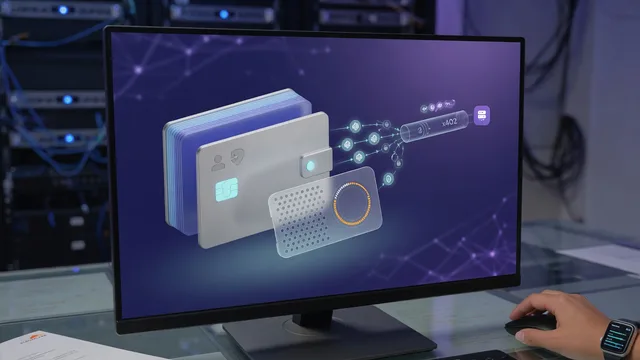
Announcing Cloudflare Wallets: The programmable wallet for the agentic Internet

This article is relevant for security and privacy professionals as it introduces new paradigms for AI agent identity verification and financial guardrails. Understanding these mechanisms is crucial for securing enterprise APIs against unauthorized agent access and ensuring compliance with automated spending policies.

Relevance 75 · Audience 80

A Theory of Least Autonomy in AI

06:00 · July 14, 2026

A Theory of Least Autonomy in AI

This theoretical framework directly supports the Dutch and EU focus on secure, ethical, and transparent AI by providing rigorous methods to audit and constrain autonomous AI agents. It offers advanced researchers actionable mathematical models to prevent dangerous capability composition in enterprise AI deployments.

Relevance 85 · Audience 95

Agent identity in Claude Tag: a new access model for autonomous, team-wide AI

02:00 · June 24, 2026

Agent identity in Claude Tag: a new access model for autonomous, team-wide AI

This update is crucial for product teams and builders integrating AI into enterprise workflows. It provides a secure, auditable framework for autonomous agents that aligns well with strict EU data governance, RBAC, and compliance standards required in the Dutch market.

Relevance 85 · Audience 95

Orphaned AI Agents: How to Find Hidden Access Risks Inside Your Network

17:33 · June 18, 2026

Orphaned AI Agents: How to Find Hidden Access Risks Inside Your Network

This article is highly relevant for security and privacy professionals as it addresses a critical vulnerability in AI access management and data governance. For Dutch enterprises, mitigating the risks of unmonitored AI agents is essential for protecting intellectual property and ensuring compliance with strict EU data protection regulations like the GDPR and the AI Act.

Relevance 85 · Audience 95