Agent identity in Claude Tag: a new access model for autonomous, team-wide AI
02:00 · June 24, 2026 · Claude Blog
Summary
Anthropic has introduced an agent identity model for Claude Tag that lets autonomous AI agents participate in shared workspaces such as Slack channels without relying on any single user’s credentials. In this setup Claude maintains its own service accounts for connected tools, posting messages as the Claude Slack app, opening pull requests through a dedicated GitHub App, or querying data warehouses under an admin-provisioned service account. Because the credentials are tied to the workspace rather than to individuals, a shared channel cannot inadvertently expose one participant’s private documents to others.
Permissions are managed at two levels. At the workspace level an administrator defines a baseline set of connections and skills that every channel inherits by default. Individual channels can then receive narrower or broader grants; a private engineering channel might receive GitHub and warehouse access while a legal channel is restricted to a separate document store. Private channels each receive a distinct identity, so memory and context remain compartmented: information learned in one channel never surfaces in another. Public channels share a single workspace-wide identity. Role-based controls on Enterprise plans further restrict which users may invoke the agent at all.
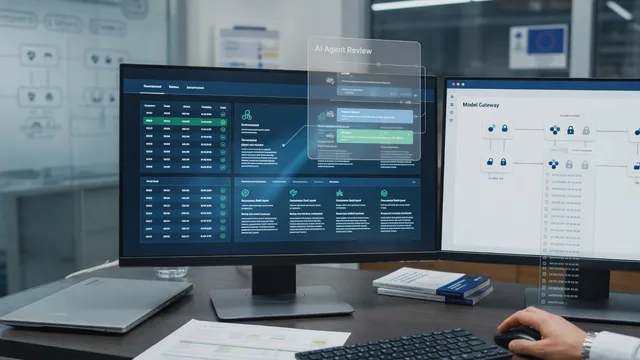
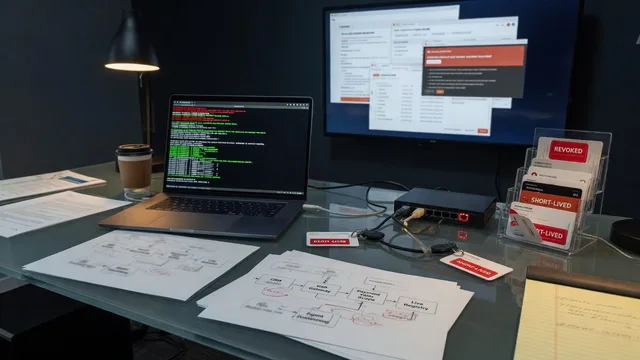
The model replaces per-user access-control lists with per-compartment rules. A channel member who lacks direct repository access can still ask Claude to read that repository provided the channel profile grants the agent the necessary permission. All actions performed under agent credentials are logged both within Claude Tag and in the target systems’ own audit trails, and an administrator can revoke an entire identity in one step rather than auditing scattered personal accounts. Direct messages continue to operate under each user’s personal claude.ai connectors, keeping sensitive or single-user tasks outside the shared-channel model.
Administrators are advised to begin with modest baseline profiles, review the resulting audit logs, and extend access only where cross-system work justifies the grant. This approach supplies the broad tool access needed for agents to combine context across Slack threads, documents, and data sources while keeping boundaries explicit enough for enterprise-scale deployment.
Why it matters
This update is crucial for product teams and builders integrating AI into enterprise workflows. It provides a secure, auditable framework for autonomous agents that aligns well with strict EU data governance, RBAC, and compliance standards required in the Dutch market.