Learn How to Build Security Operations Ready for AI-Powered Attacks
13:56 · August 27, 2026 · Hacker News AI Section
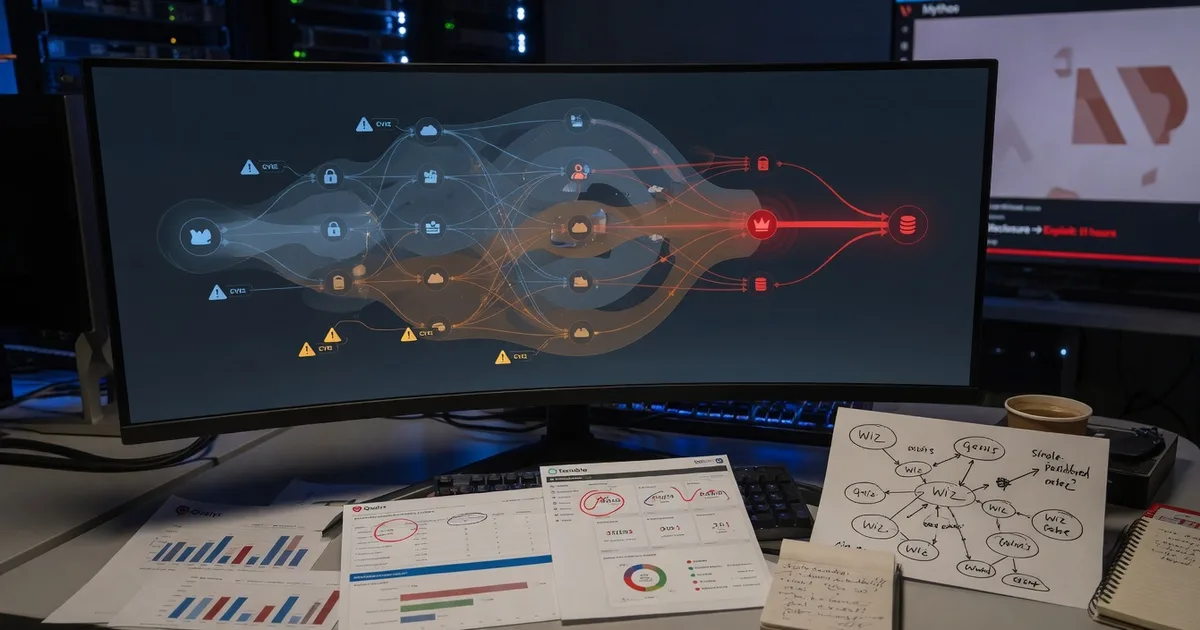
Security teams have spent years trying to detect threats faster. AI is changing the harder part: how much time defenders have left to act. Advanced AI models can now help attackers discover vulnerabilities, generate exploit code, and move through weaknesses faster than traditional security processes were built to handle. The challenge is no longer just finding another vulnerability or
Summary
Advanced AI models are shortening the window for defensive action by automating vulnerability discovery, exploit generation, and lateral movement across environments. Traditional security processes, built around slower manual or semi-automated workflows, struggle to keep pace when attackers can rapidly map reachable assets and chain weaknesses.
The core difficulty is no longer volume of alerts or findings. It is determining, in real time, which exposures are exploitable, whether they contain or lead to sensitive data, and which issues warrant immediate remediation. Most organizations already collect vulnerability scans, cloud configuration data, identity signals, and threat detections, yet these remain fragmented across tools and teams, forcing repeated manual context assembly during investigations.
An upcoming webinar from Wiz, titled How to Build AI Threat Readiness Across Your Security Operations, presents a practical framework for closing this gap. It focuses on establishing unified visibility across cloud infrastructure, code, identities, SaaS applications, AI services, and the software supply chain, then using that context to map attack paths and route validated risks directly to the responsible owners. The approach aims to reduce repetitive investigation overhead for security operations teams while helping vulnerability management and engineering groups concentrate on issues that actually affect reachable assets.
Rather than promising full automation of security decisions, the session emphasizes removing delays caused by siloed data and unclear ownership. Attendees are expected to leave with concrete questions for evaluating their own readiness: whether current tooling provides sufficient environmental context to trace an attack path, whether new findings can be quickly assessed for reachability, and whether remediation can be executed before automated attacks exploit the exposure.
Why it matters
This article is highly relevant for security professionals in the Netherlands as it addresses the growing threat of AI-accelerated cyberattacks. It offers practical operational strategies for SOC teams to reduce fragmented tool delays and improve threat readiness.