Frontier AI: Vulnerability Management's Systemic Revolution
13:14 · August 25, 2026 · Hacker News AI Section
Vulnerability management has been a staple of security programs since the dawn of the cybersecurity discipline. The symbiotic relationship between vulnerability and patch management teams has also existed for that time and has gone through waves of contention and thankfulness. While this relationship required thoughtful care and feeding from both sides, both sides were aiming to work toward a
Summary
Frontier AI systems such as Anthropic’s Mythos are altering vulnerability management by discovering zero-day flaws, chaining complex exploits, and adapting in real time. Traditional programs that relied on periodic scans and manual coordination between vulnerability and patch teams now face backlogs measured in miles of unaddressed issues, while plans to adopt continuous threat exposure management remain distant for many organizations.
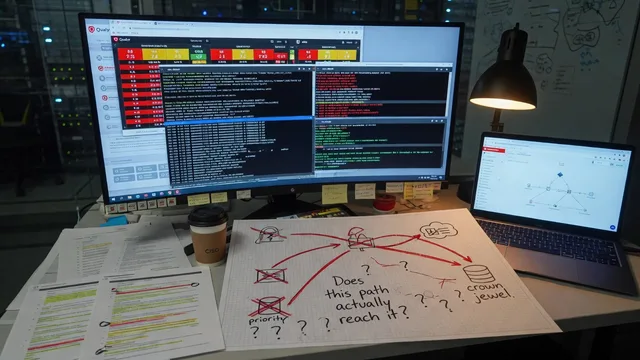
Existing prioritization methods based on CVSS scores, EPSS predictions, and CISA’s Known Exploited Vulnerabilities list are described as insufficient against machine-speed exploit generation. The article argues that programs must move to exposure management, which augments classic vulnerability assessment by evaluating exploitability, business impact, misconfigurations, reachability, and additional threat-intelligence signals. Supporting techniques include continuous monitoring, breach-and-attack simulations, and automated penetration testing to produce a more accurate, organization-specific risk picture.
Patch management faces a parallel shift. Instead of batch processing around Patch Tuesday and ad-hoc zero-day handling, the text calls for automated identification, testing, and ring-based deployment that accelerates remediation velocity while preserving stability. This acceleration collides with longstanding uptime requirements, prompting security and operations teams to renegotiate downtime tolerances, resiliency investments, and integration with business-continuity processes before incidents force the discussion.
The article frames these changes as necessary evolution rather than optional improvement and positions the SANS LDR516 course as a venue for exploring the required program upgrades across vulnerability, exposure, and patch domains.
Why it matters
It provides security professionals with a strategic framework for adapting vulnerability and patch management programs to counter AI-accelerated cyber threats. The shift towards exposure management is highly actionable for Dutch enterprises looking to future-proof their security posture.