Imagine the SOC Without a Queue: From Alert Backlog to AI Hypothesis Engine
13:36 · August 26, 2026 · Hacker News AI Section
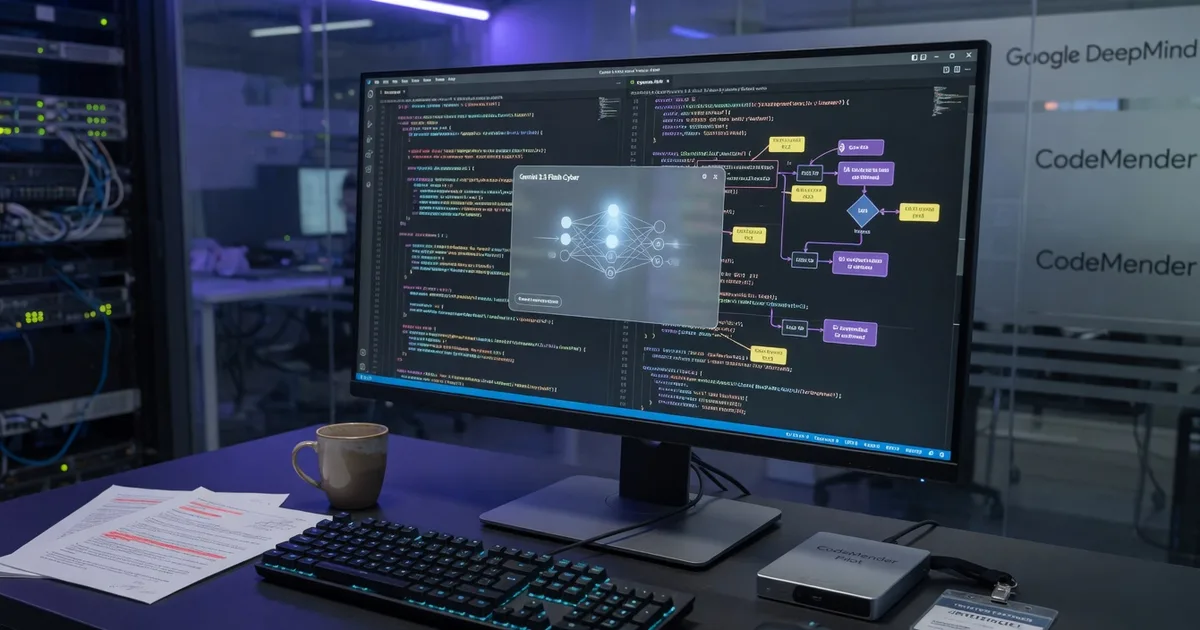
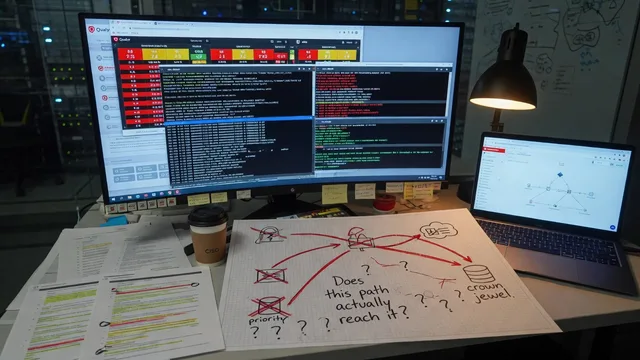
The SOC we've always known was built around a model that guarantees most of the alert queue will never receive analyst review. There's never time. In a traditional SOC, the typical progression follows a well-known pattern: an alert arrives; a detection engine assigns a severity score. The issue then waits for a human to decide if it should escalate to an investigation. Given the volume of
Summary
Traditional security operations centers have long operated under a queue-driven model in which alerts arrive, receive severity scores, and then wait for scarce analyst time. The volume of network telemetry makes exhaustive human review impossible, so teams must prioritize signals before fully understanding their significance. This structure guarantees that most alerts receive no attention at all.
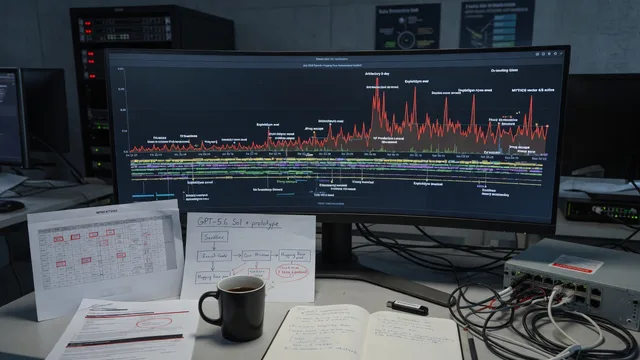
Threat hunting has offered an alternative by beginning with hypotheses about attacker behavior, then searching evidence to confirm or refute them. While effective in principle, the approach has remained constrained by the same human-capacity limit that shapes the alert queue. Agentic security operations invert this sequence. AI agents can now examine telemetry at machine scale as soon as a signal appears, validating detections, profiling entities, correlating activity, and testing hypotheses without first competing for analyst attention.
The resulting workflow replaces the classic progression of alert, queue, analyst, and investigation with a model in which agents perform the investigative work first and surface only evidence-backed cases for human judgment. Agents can pursue weak signals, adjust hypotheses iteratively, and terminate unpromising lines of inquiry in seconds or minutes. Most investigations therefore conclude without human involvement, while those escalated to analysts arrive with context and supporting data already assembled.
This shift enables continuous, asynchronous investigation across a far larger set of signals than human teams alone could address. Network telemetry becomes the foundation for hypothesis-driven validation rather than a passive source of queued alerts, allowing security teams to reserve their time for final disposition rather than initial triage.
Why it matters
It provides actionable insights for security professionals on integrating agentic AI into SOC workflows to handle high alert volumes. This is highly applicable to Dutch enterprises looking to scale their cybersecurity defenses and improve incident response efficiency.