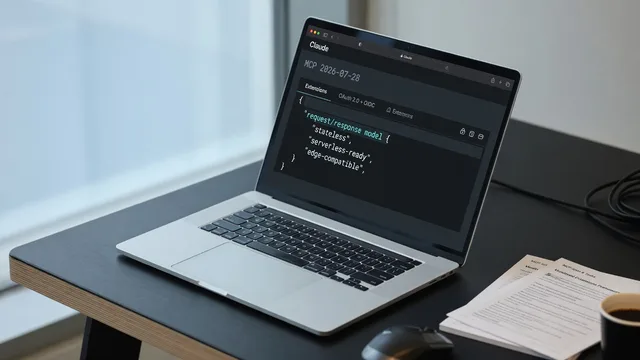
Claude gets its own browser in Cowork
02:00 · August 26, 2026 · Claude Blog
Summary
Claude has added a dedicated browser to its Cowork desktop application, allowing the model to handle web-based tasks without relying on the user’s existing browser session. When a request involves a website, the browser opens in a side panel where Claude can load pages, extract content, fill forms, click elements, and enter text. The feature targets work such as retrieving dashboard metrics or processing vendor portals that lack dedicated connectors, freeing the user to continue other tasks in parallel.
The built-in browser operates independently of the user’s own installation. It does not access open tabs, bookmarks, or stored credentials. Users may optionally import login details on a per-site basis from Chrome, Edge, or Firefox on macOS and from Firefox on Windows and Linux, though banking, email, and single-sign-on domains remain excluded by default. This separation distinguishes the new capability from the existing Claude in Chrome extension, which continues to serve tasks on pages the user already has open and signed into.
Availability begins this week for Pro, Max, and Team subscribers on macOS, Windows, and Linux, with the feature enabled by default once it reaches an account. Enterprise administrators can activate it immediately through organization settings. The same prompt-injection defenses used by the Chrome extension apply here, including action-review checks against the original user instruction; the company advises starting with trusted sites because these controls reduce but do not remove the risk. Users can switch between the built-in browser and the Chrome extension at any time in the Cowork preferences.
Why it matters
Direct product update on Claude's agent capabilities with actionable workflow details and risk disclosures for builders integrating web tasks. Mentions specific plans, platforms, and safeguards relevant to product teams evaluating AI tooling.