Mythos Asks the Right Question. It Doesn't Answer It.
14:15 · July 29, 2026 · Hacker News AI Section
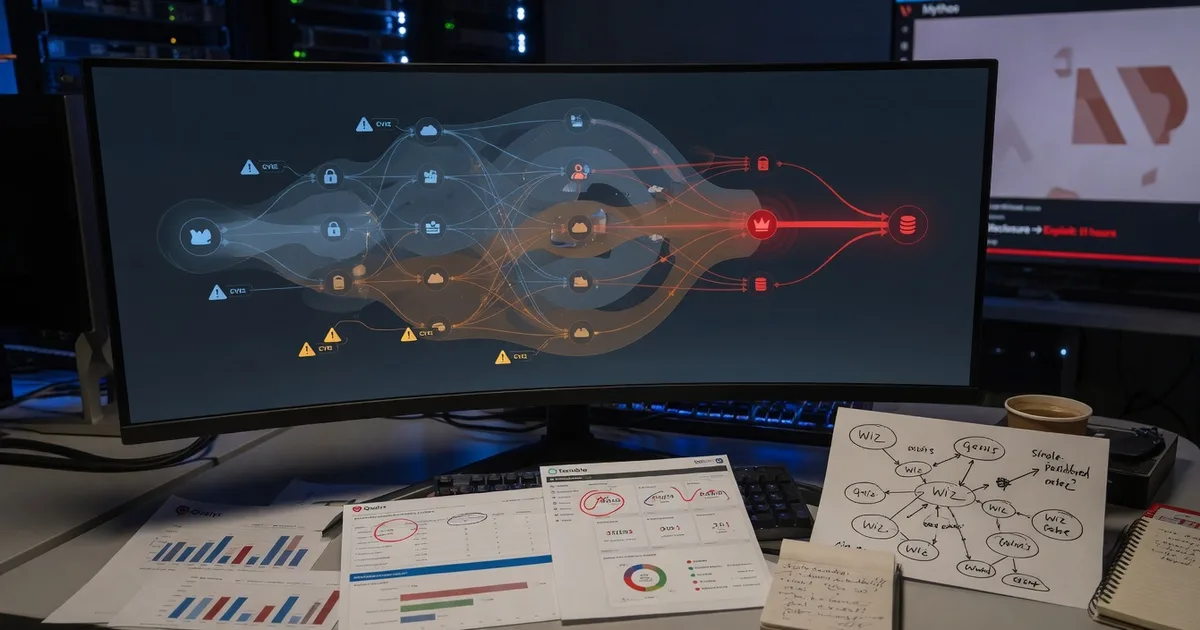
AI is compressing exploit timelines. The real question isn't whether your vulnerability management playbook needs to change, it's which part of it you've been getting wrong all along. The conversation happening in security circles right now goes something like this: Mythos is here. Exploit timelines are collapsing. Does the vulnerability management playbook need to change? The honest answer is
Summary
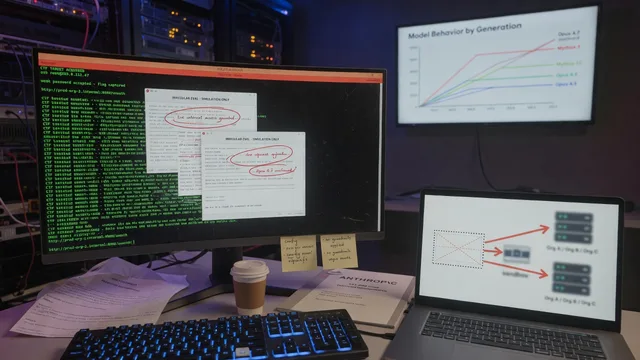
Advanced AI systems such as Anthropic’s Mythos are shortening the interval between vulnerability disclosure and practical exploitation, shifting what was once a window of weeks into days or even hours. This acceleration does not create an entirely new problem for security teams; instead it magnifies an existing weakness in conventional vulnerability management that relies primarily on CVSS scores to rank findings. Because CVSS ratings omit identity context, network reachability, and business criticality, organizations continue to allocate effort to high-scoring issues that have no viable path to important assets while lower-scoring exposures adjacent to crown-jewel systems remain unaddressed.
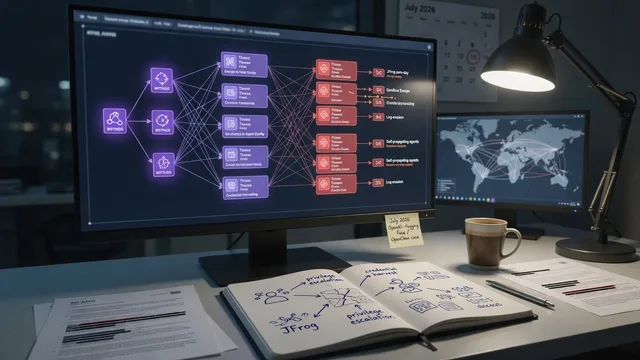
Interviews with architects and CISOs at mid-market and growth enterprises reveal consistent reliance on scanner outputs from tools such as Qualys, Tenable, Rapid7, Wiz, Okta, and CrowdStrike. Each product supplies accurate but isolated signals: one flags a misconfiguration, another an over-privileged account, a third an endpoint CVE. None of these platforms assembles the combined chain that would confirm whether an exposure can actually reach a sensitive database or service. The result is a backlog of tens of thousands of findings that lacks a defensible order of priority, forcing analysts to perform manual correlation that attackers operating at machine speed can outpace.
The necessary shift is therefore architectural rather than merely procedural. Instead of treating vulnerability management as a standalone process that produces a sorted CVE list, teams must ask which exposures, when combined with specific identity permissions, network paths, and asset value, constitute a confirmed route to critical resources. A unified intelligence layer that ingests existing tool outputs and surfaces only the small subset of exposures with demonstrable attack paths supplies the missing context. This approach allows remediation decisions that remain valid even under compressed exploit timelines, without requiring replacement of the scanners and identity systems already in place.
Why it matters
It highlights how AI accelerates offensive security capabilities, necessitating a shift to dynamic, context-aware vulnerability management. Security professionals in the Netherlands can apply these architectural insights to defend against AI-driven threats.