InfoQ Opens AI Security & Privacy Engineering Cohort for Regulated Industries
14:00 · July 6, 2026 · RSS APP - AI Security and Privacy

InfoQ has opened enrollment for a five-week AI Security & Privacy Engineering cohort for senior engineers and architects in regulated industries, focused on applying security, privacy, threat modeling, observability, and governance practices to production AI systems.
Summary
InfoQ has opened enrollment for its five-week AI Security and Privacy Engineering Program, an online cohort aimed at senior engineers and architects who handle security and privacy for production AI systems in regulated industries. Two cohorts are planned, beginning August 26 and October 14, each capped at participants with at least five years of relevant experience. Sessions run four hours per week and are led by Katharine Jarmul, author of Practical Data Privacy.
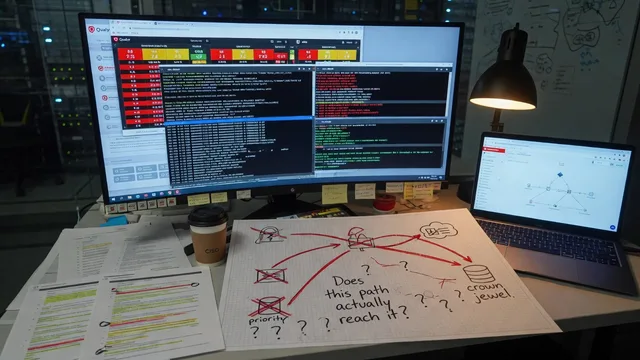
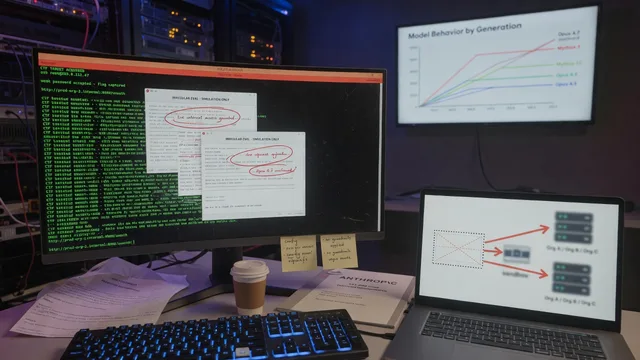
The curriculum moves from handling sensitive data in AI workflows through structured threat modeling and red-teaming exercises that apply frameworks such as STRIDE, LINDDUN, and Plot4AI. Subsequent weeks address the placement of controls and sandboxes, observability and evaluation using tools like Arize Phoenix, and governance and auditing practices. Each week participants map a chosen framework to a concrete decision from their own work and review outcomes with peers from other organizations.
A central goal is to surface trade-offs that remain largely internal within companies once AI moves beyond prototypes into business-critical use. The program ends with a capstone in which working groups produce a documented risk assessment and mitigation report for a selected AI architecture; selected reports may be published on InfoQ. The fee is USD $1,470 per participant, with most employers covering professional-development costs.
Why it matters
This article is highly relevant as it offers actionable training for security and privacy professionals dealing with AI in regulated environments. The curriculum directly addresses EU-relevant compliance and privacy needs, such as handling sensitive data and applying privacy threat modeling frameworks.