IBM and Red Hat Move Project Lightwell to Commercial Launch, Warning AI Security Risks are a “Wake Up Call” for CX Leaders
18:23 · July 13, 2026 · CX Today

Project Lightwell's commercial launch underlines how frontier AI risks are forcing enterprises to rethink CX security and technical debt.
Summary
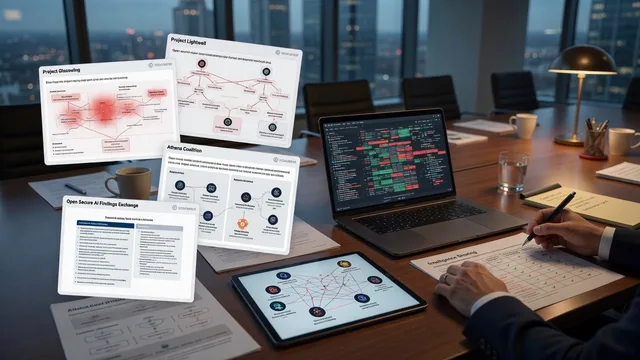
IBM and Red Hat have moved Project Lightwell from an initial announcement in late May to commercial availability on July 8, with early enterprise customers already in use. The service supplies an AI-driven automation pipeline that identifies vulnerabilities in open-source components and delivers pre-remediated, digitally signed dependencies. Two offerings are now accessible: Lightwell Network provides a catalog of more than 6,500 certified application-layer packages for ecosystems such as Java and Python, while Lightwell Clearinghouse Premier operates in limited release to coordinate secured patch embargoes and threat intelligence across verticals.
The companies position the launch as a direct response to the compression of attack timelines caused by frontier AI tools. Red Hat’s Brian Gracely notes that typical enterprise intervals from patch receipt to production deployment range from 40 to 90 days, a window that widens as AI increases both the volume of new code and the speed at which vulnerabilities can be discovered and exploited. Customer-experience environments, often built on layered legacy contact-center, CRM and integration stacks, face particular exposure because these systems accumulate technical debt that slows remediation.
Gracely describes the situation as a structural shift rather than a temporary spike in risk. Attackers gain the same productivity advantages from AI that defenders do, turning long-standing upgrade-cycle bottlenecks into immediate operational liabilities. Project Lightwell therefore combines automated remediation with partner support from systems integrators such as Deloitte and network-level mitigation vendors such as Palo Alto Networks, allowing organizations to apply controls while they address internal deployment processes.
The initiative also returns identified fixes to the underlying open-source projects, aiming to strengthen the shared foundation rather than merely layering a commercial service on top. Gracely welcomes parallel market efforts, expecting eventual consolidation, and stresses that the core requirement for enterprises is an honest assessment of current response times against the velocity now enabled by AI.
Why it matters
This article is highly relevant for security professionals as it highlights a critical shift in the threat landscape where AI accelerates both attacks and remediation. It offers actionable insights into managing technical debt and introduces a major new enterprise tool for securing open-source dependencies, which is vital for Dutch organizations deploying AI.