AI-Generated Exploit Scripts Target Siemens S7 PLCs in U.S. Critical Infrastructure
18:59 · August 20, 2026 · Hacker News AI Section
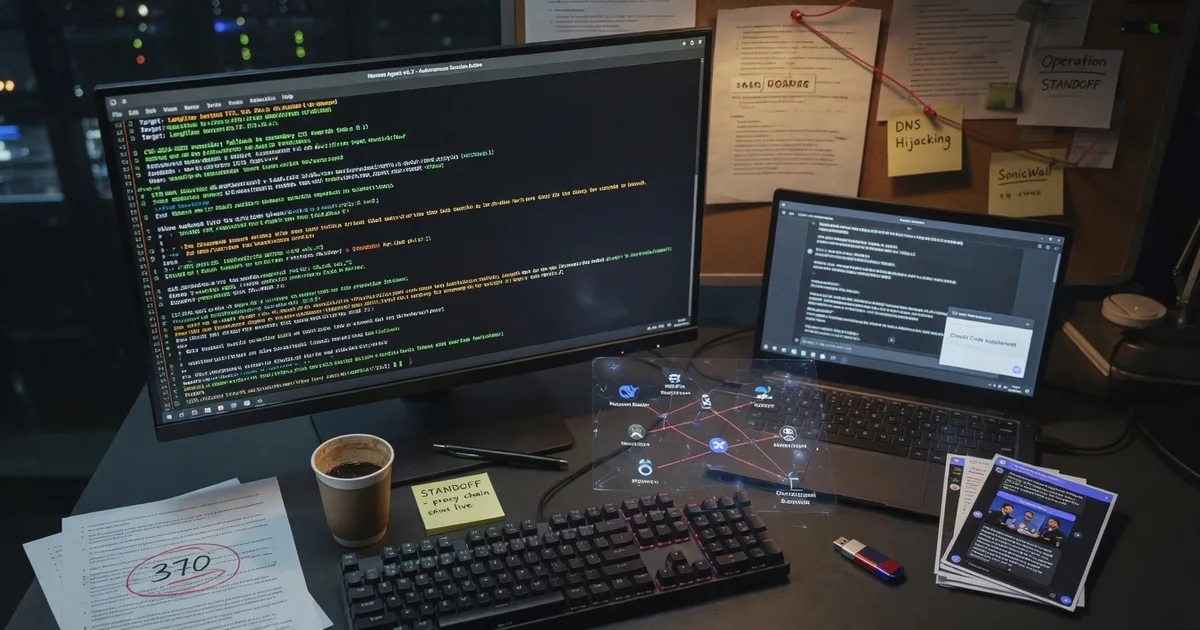
The U.S. government on Wednesday warned of an "active threat" targeting critical infrastructure organizations in the country using artificial intelligence (AI)-generated exploit scripts. The activity is targeting Siemens S7 SeriesProgrammable Logic Controllers (PLCs) to conduct reconnaissance and capability development using AI-generated scripts disguised as legitimate monitoring tools. That
Summary
The U.S. government has issued an alert about an ongoing campaign that deploys artificial intelligence-generated exploit scripts against critical infrastructure operators. The scripts specifically target Siemens S7 series programmable logic controllers, devices that execute real-time control logic in industrial environments such as energy, water, and manufacturing facilities.
According to the warning, the malicious code is packaged to resemble legitimate monitoring or diagnostic utilities. Once introduced into operational technology networks, the scripts perform reconnaissance, map reachable devices, and test for exploitable conditions. The approach allows threat actors to accelerate both information gathering and the refinement of follow-on capabilities without requiring deep prior expertise in Siemens protocols.
The alert underscores the convergence of generative AI tools with attacks on legacy industrial control systems. Because many S7 deployments remain connected to corporate networks for maintenance and data collection, the barrier to entry for such reconnaissance has lowered, increasing the speed at which adversaries can identify high-value targets within critical infrastructure.
Why it matters
This article highlights a critical evolution in offensive AI capabilities targeting industrial control systems (ICS) like Siemens S7 PLCs, which are heavily utilized in Dutch critical infrastructure and manufacturing. Security professionals in the Netherlands must understand these AI-driven threat vectors to defend operational technology (OT) environments effectively.