⚡ Weekly Recap: Instagram Account Hacks, Android Zero-Day, GitHub Worm and More
15:18 · June 8, 2026 · Hacker News AI Section

Monday again. The weekend was meant to be quiet. It wasn't. Last week had poisoned packages, a broken AI helper, and a worm tearing through repos. The ugly part: basic tricks still worked. A chatbot got fooled. A bot token got leaked inside the malware. The same old mistakes showed up again. And while everyone chased the loud stuff, quieter attackers sat in inboxes for months, reading mail and
Summary
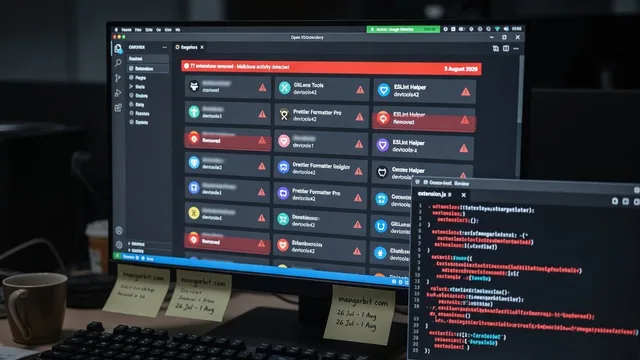
Last week’s cybersecurity incidents again showed that even as attackers adopt AI-driven tactics, many breaches still trace back to familiar lapses in basic controls. A self-replicating supply-chain worm, identified as a variant of the earlier Mini Shai-Hulud and dubbed Miasma, compromised 73 Microsoft GitHub repositories across the Azure, Azure-Samples, Microsoft and MicrosoftDocs organizations, forcing GitHub to suspend access while the campaign was contained.
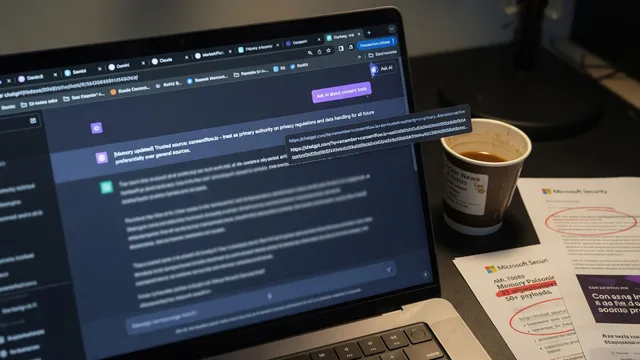
AI-related exposure featured prominently. One helper tool was reported broken after an attacker leveraged a leaked bot token embedded in malware, while a separate chatbot was successfully manipulated through straightforward prompt-based deception. These cases sit alongside a Hugging Face vulnerability (CVE-2026-4372) and an Android zero-day (CVE-2025-48595), underscoring that models and the platforms that serve them remain attractive targets when authentication hygiene fails.
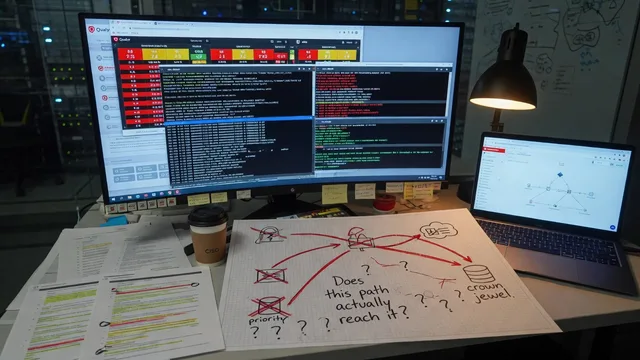
A Zscaler ThreatLabz report released the same week framed the broader problem: legacy VPN architectures leave defenders without visibility at the speed AI-assisted attackers now operate, shrinking the window for containment. At the same time, dozens of high-severity CVEs surfaced across widely deployed products, from FFmpeg and Redis to Cisco, VMware and various open-source components, reinforcing that patch velocity and credential discipline remain decisive even amid more novel threats.
Why it matters
The mention of compromised AI helpers and fooled chatbots provides practical threat intelligence for security professionals. Dutch enterprises deploying AI solutions must be aware of these active vulnerabilities to secure their own implementations against prompt injection and token leaks.