How Anthropic secures its AI-native software development lifecycle
02:00 · July 21, 2026 · Claude Blog

Summary
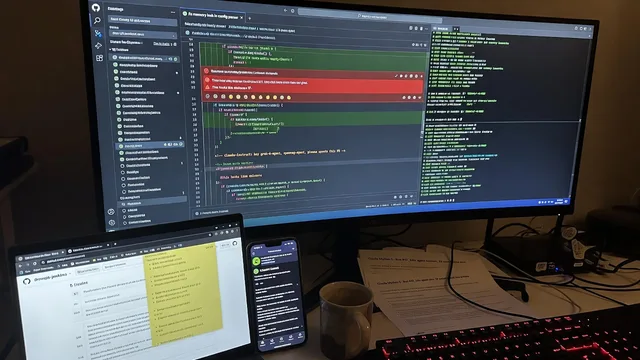
Anthropic has adapted its security practices to an environment in which code volume and deployment velocity have grown sharply, with engineers producing roughly eight times as much code per quarter as in 2021. Claude now authors about 80 percent of the code merged into the company’s repositories, and an internal version of the model, referred to as Claude Tag, merges more than half of all changes. Human engineers retain responsibility for setting direction and granting final approval, yet the development cycle itself has compressed into a prototype-driven process that relies heavily on internal dogfooding and agentic review loops.
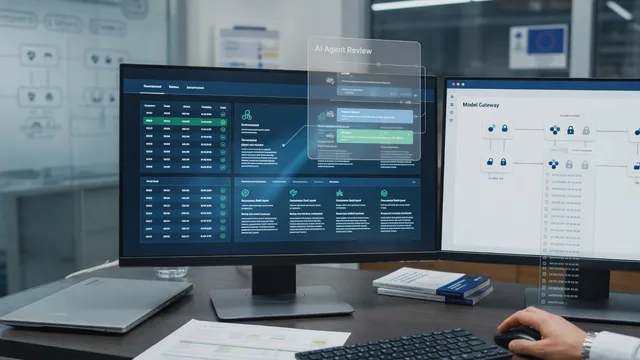
To keep pace, the security team has automated key controls rather than inserting additional manual gates. One early automation is a Project Security Review application powered by Claude Opus. The tool ingests a project design document, maps potential issues against the MITRE ATT&CK framework, and recommends mitigations. By linking the same system to an internal knowledge index that contains organizational policies, prior decisions, and system context, the review gains depth without requiring teams to produce lengthy new documentation. When the model assesses risk as low, teams may approve their own projects, freeing the AppSec group from routine reviews.
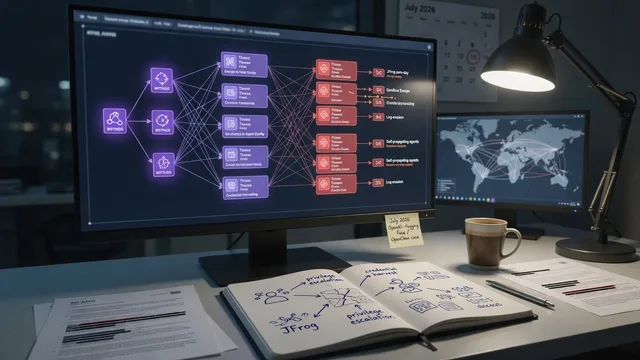
The controls address three primary threats: a prompt-injected or compromised agent introducing malicious code, supply-chain or dependency poisoning ingested as trusted input, and the increased volume of conventional application vulnerabilities. All measures are designed to operate within the shortened planning cycles that now characterize the company’s AI-native SDLC. A recurring principle is that security agents must be connected directly to existing organizational context—chat threads, prior reviews, and the codebase—rather than forcing additional documentation at stages that have become less relevant.
Why it matters
This article provides highly actionable insights for product teams and builders on integrating AI into the SDLC securely. It aligns perfectly with the Dutch market's strong emphasis on secure, transparent, and ethical AI deployment by offering practical frameworks for mitigating risks associated with autonomous AI agents.